


24/02/2026
FEMP promotes policy coherence for sustainable development through local leadership in La Vall d’Uixó and Rafelbunyol
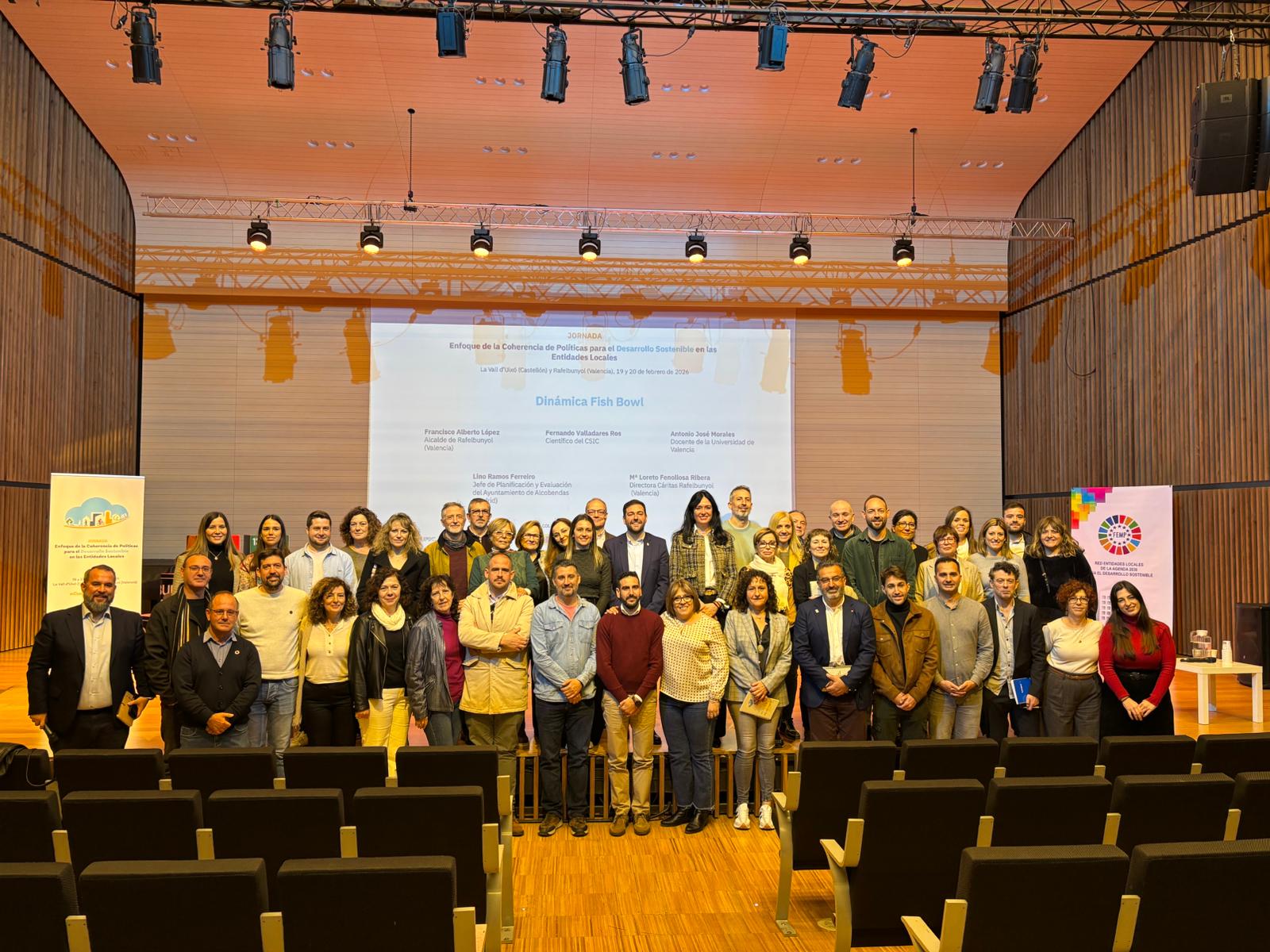
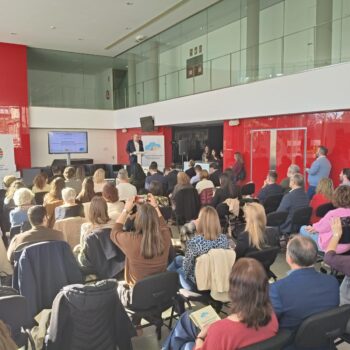
The Spanish Federation of Municipalities and Provinces (FEMP), through its Network of Local Entities for the 2030 Agenda, held the conference “Policy Coherence Approach for Sustainable Development in Local Entities” on February 19 and 20 in La Vall d’Uixó (Castellón) and Rafelbunyol (Valencia). This was a workspace and exchange forum focused on how to genuinely and effectively integrate the Sustainable Development Goals (SDGs) into municipal management.
The conferences, part of the #Countdown2030 initiative, brought together mayors, council members, municipal technical teams, representatives from the Ministry of Social Rights, Consumer Affairs and the 2030 Agenda, the scientific community, and the third sector, with a common goal: to advance more coherent, cross-cutting local public policies oriented towards citizen well-being.
Institutional Opening: Sustainability as a Governance Method
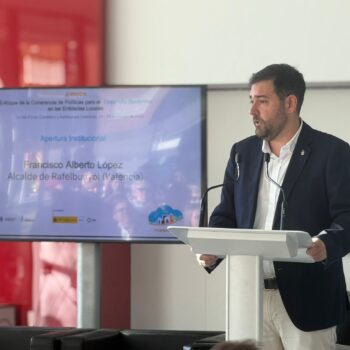
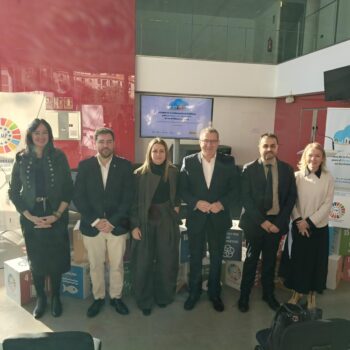
The inauguration featured the participation of Tania Baños Martos, Mayor of La Vall d’Uixó; Francisco Alberto López, Mayor of Rafelbunyol; David Perejil Bricio, Director General of the 2030 Agenda; and Antonio Pérez Pérez, President of FEMP’s Network of Local Entities for the 2030 Agenda.
During the speeches, the role of local governments as the first line of response to global challenges such as climate change, housing, social cohesion, and economic transformation was highlighted. Sustainability was defined not as an isolated strategic document, but as a cross-cutting governance method, involving planning, evaluation, interdepartmental work, and citizen participation.
Sustainable Tourism and Territorial Development
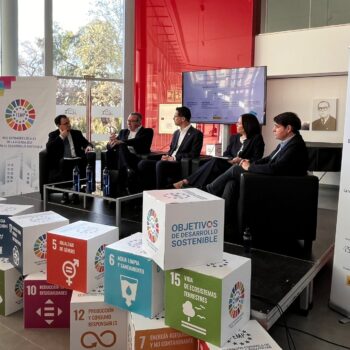
The first panel discussion, titled “Committing to Sustainable Local Tourism,” was moderated by Ángel Viveros Gutiérrez, Mayor of Coslada.
Speakers included Antonio Pérez Pérez, Mayor of Benidorm, who emphasized the importance of measuring water and environmental footprints to improve destination sustainability. Adrián Lapsley, Tourism Councillor of Montilla, presented the role of wine tourism and heritage valorization as tools for population retention and economic diversification in medium-sized inland cities. Jessica Miravete Bernat, President of the Alto Palancia Intermunicipal Commonwealth, advocated for regional tourism planning and coordination among municipalities as a strategy against depopulation. David Beltrán Martín, Mayor of El Hoyo de Pinares, shared the experience of a rural municipality in the sustainable management of its natural resources.
Participants agreed that sustainable tourism requires planning, impact measurement, and close public-private collaboration to ensure quality employment and territorial balance.
Local Economy and Participation: Keys to a Just Transition
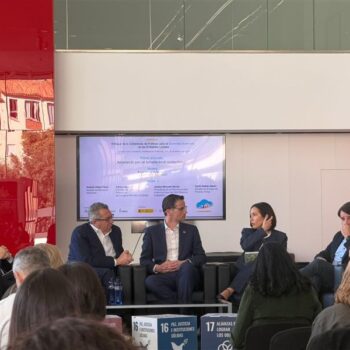
The second panel, moderated by Lorena Orduna Pons, focused on local economy and participation as pillars of sustainable development. Experiences related to reindustrialization, vocational training adapted to the productive fabric, urban regeneration, and access to housing were discussed.
Tania Baños Martos spoke, advocating for sustainability as a cross-cutting governance method and highlighting the value of strategic planning linked to industrial and urban development. Víctor Martínez Muñoz, Mayor of Santomera, explained his commitment to specialized training, energy efficiency, and inter-administrative collaboration to reactivate the productive fabric. Ángeles García González, Councillor for Economy, Industry, and Employment of Móstoles, addressed the importance of industrial land and housing for generating local employment and well-being. Mª Carmen Mallo Álvarez, Mayor of Murias de Paredes, provided the perspective of small rural municipalities facing the demographic challenge.
The panel demonstrated that policy coherence requires administrative simplification, internal coordination among municipal departments, and a long-term strategic vision.
Participants agreed that policy coherence demands political courage, long-term planning, and administrative simplification to accelerate strategic projects without compromising environmental and social sustainability.
Mainstreaming and Scientific Evidence: The Fish Bowl Dynamic
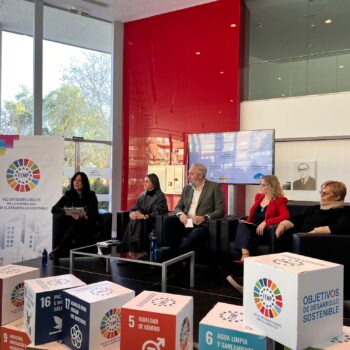
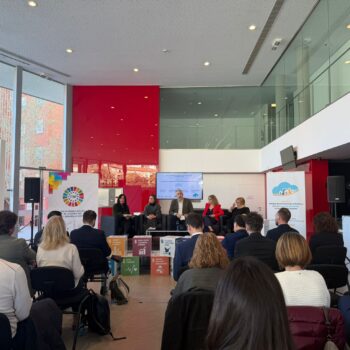
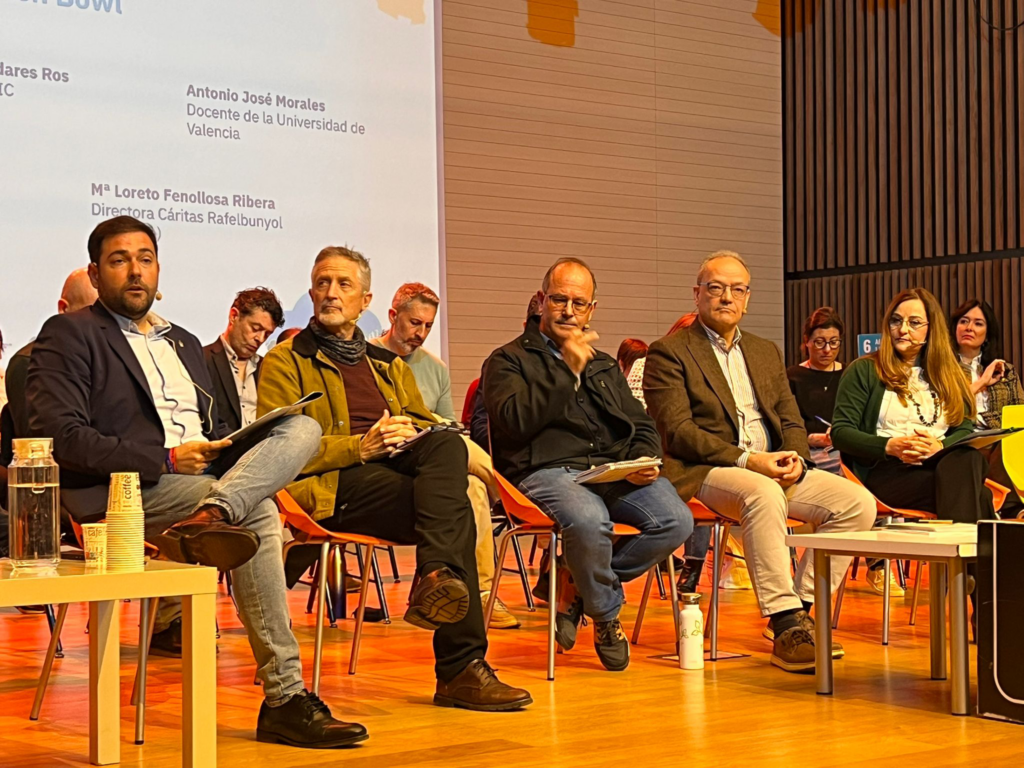
Friday’s session in Rafelbunyol included a participatory “Fish Bowl” dynamic that brought together municipal officials, the scientific community, and the third sector to reflect on how to apply mainstreaming in daily practice.
Opening the dialogue in this space were Francisco Alberto López, who presented the methodological integration of the 2030 Agenda into municipal planning. Fernando Valladares Ros, a CSIC scientist, advocated for policies based on scientific evidence and warned about the risks of disinformation.
Antonio José Morales, a professor at the University of Valencia, emphasized the role of transformative education and interdisciplinarity. Lino Ramos Ferreiro, Head of Planning and Evaluation at Alcobendas City Council, highlighted the importance of evaluation, indicators, and organizational culture. Mª Loreto Fenollosa Ribera, Director of Cáritas Rafelbunyol, contributed the perspective of the third sector and community work in addressing social vulnerability.
The conclusions indicated that policy coherence does not mean doing more actions, but rather better aligning existing ones, strengthening institutional and community relationships, and evaluating the social, economic, and environmental impact of each public decision.
Technical Visits: Applied Sustainability
The program included visits to projects funded under the Recovery, Transformation and Resilience Plan – Next Generation EU, such as neighborhood regeneration initiatives, social housing rehabilitation, sustainable tourism, and the enhancement of historical heritage in La Vall d’Uixó.
These visits demonstrated how the 2030 Agenda translates into concrete actions on the ground, improving quality of life, strengthening social cohesion, and modernizing local infrastructure with sustainability criteria.
With these conferences, FEMP reaffirms its commitment to municipalism as an essential actor for achieving the Sustainable Development Goals. The shared experience in La Vall d’Uixó and Rafelbunyol shows that local governments are leading transformation processes through proximity, innovation, and institutional cooperation.
Policy coherence for sustainable development is thus consolidated as a key approach for local entities to advance towards 2030 with strategic planning, continuous evaluation, and a clear orientation towards people’s well-being.
You can view the full conference here:
Day 19
Day 20


