

12/07/2022
Local governments meet to promote SDG-focused partnerships
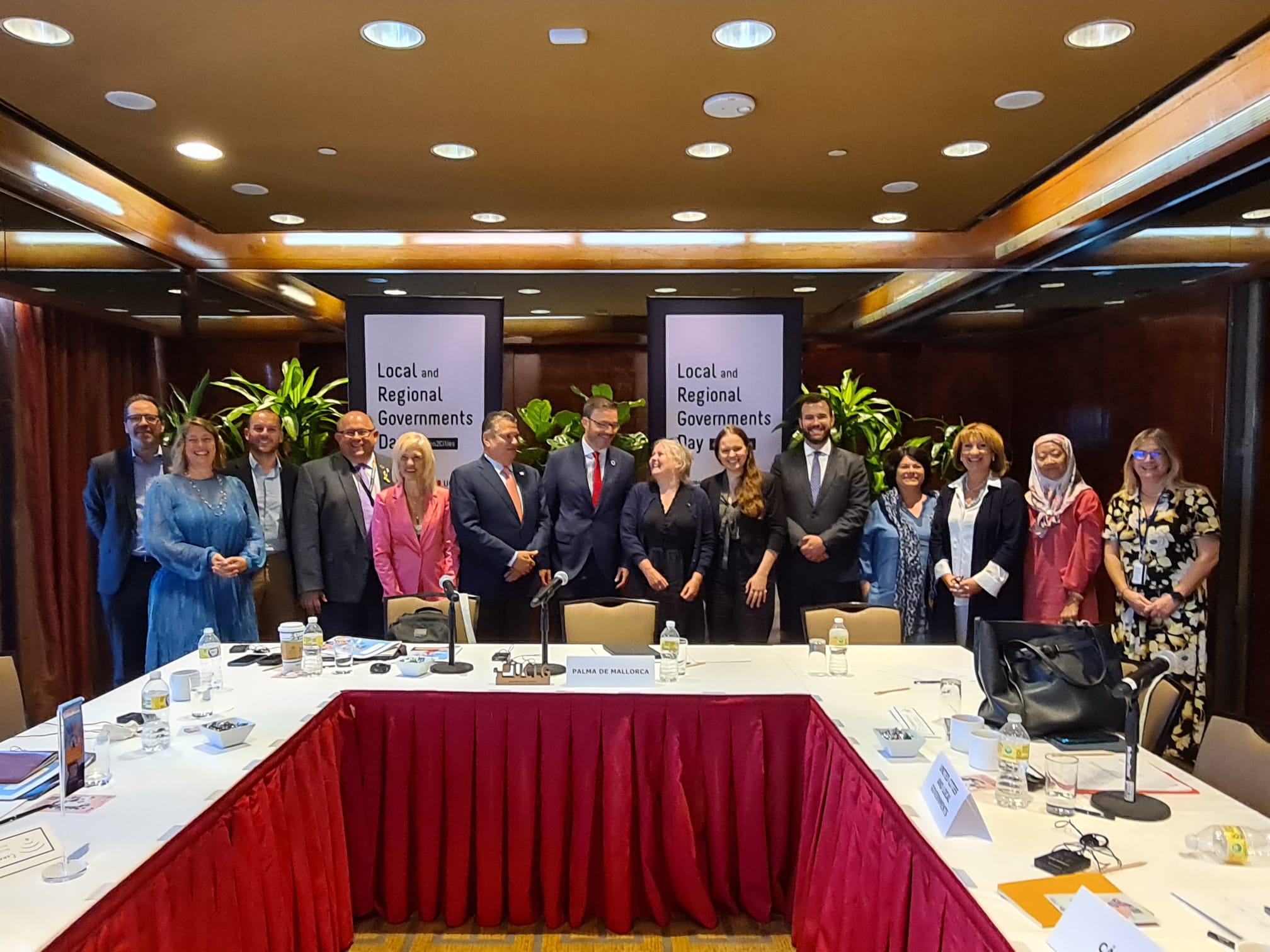
A delegation from FEMP, led by José Hila and Luis Salaya, takes part in the 2022 High-level Political Forum for the 2030 Agenda
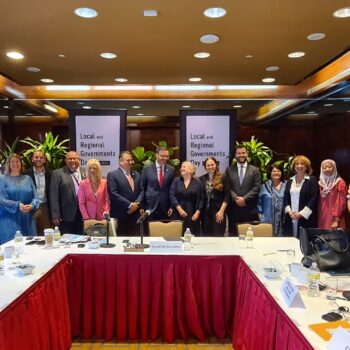
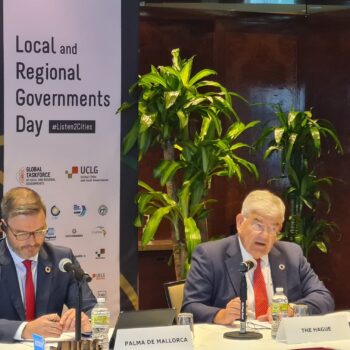
MADRID/NEW YORK. The Spanish Federation of Municipalities and Provinces is taking part this week in the 2022 High-level Political Forum for the 2030 Agenda, being held at United Nations Headquarters in New York. FEMP is joining other international territorial delegations, such as UCLG and CEMR, to promote new partnerships and reaffirm local action as the starting point for achieving the Sustainable Development Goals, adopted by the UN General Assembly in 2015.
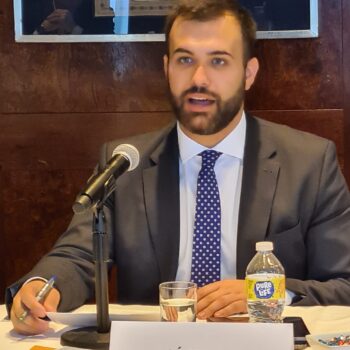
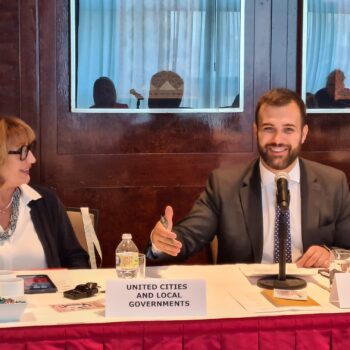
The FEMP delegation is headed by José Hila, Mayor of Palma and President of the Network of Local Entities for the 2030 Agenda, and Luis Salaya, Mayor of Cáceres and President of FEMP’s SDG and 2030 Agenda Commission; together they lead the two lines of action through which the institution structures a cross-cutting implementation of the SDGs and their 169 targets in Spain. In this regard, the Network of Local Entities has become the body with the most members within FEMP, bringing together in its two years of existence more than four hundred City Councils, Provincial Councils, Cabildos and Island Councils.
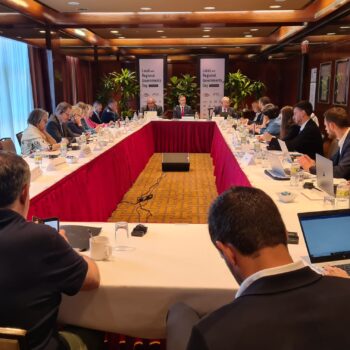
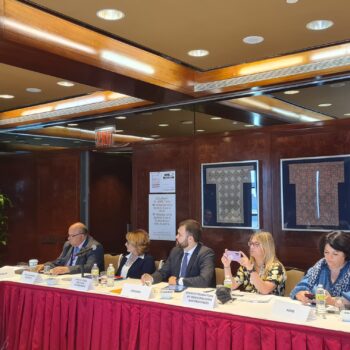
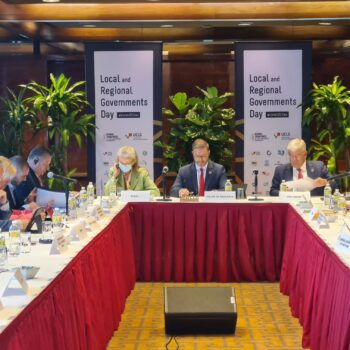
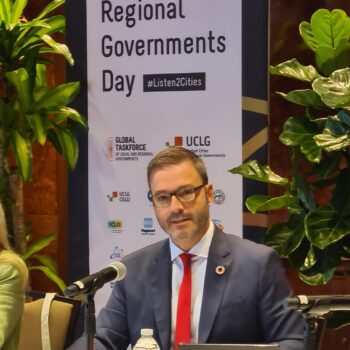
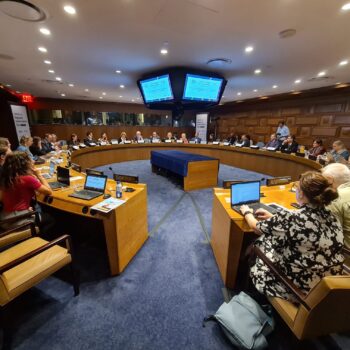
On Monday 11, the first two meetings were held, as part of the Day of Local and Regional Governments, promoted by UCLG. The first, Decentralised cooperation to build new multi-stakeholder and multilevel global partnerships to accelerate the localisation of the 2030 Agenda, was opened and moderated by José Hila, who highlighted the Network’s core objectives and the need to “take on, with responsibility and determination, the commitment to work on this common and decisive project for society”, without losing sight of the current global context: “after COVID, now the war in Ukraine, we see it as essential to rethink the global framework for Development Cooperation, a new framework that provides sufficient and sustainable resources for public solidarity policies and, in this sense, from Local Governments, we also have to rethink where decentralised cooperation should evolve so that it finds the place it deserves at global tables”.
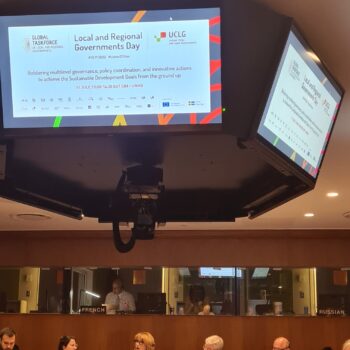
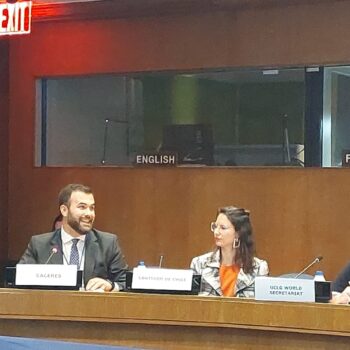
Next, Luis Salaya took part in the event Strengthening multilevel governance, policy coordination and innovative actions to achieve the Sustainable Development Goals from the ground up, highlighting the role of Local Governments and calling for them to be recognised as “one more actor, and as active stakeholders and not only passive ones in the common and global goal of having a better world in 2030 than there was in 2015, with fewer inequality gaps between territories and with more equitable and sustainable access to basic services such as education, healthcare, food and housing”.
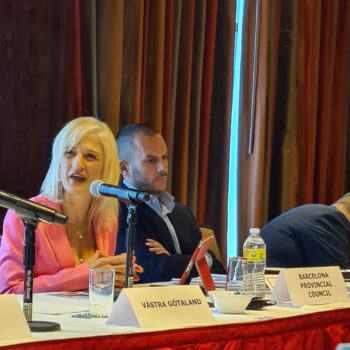
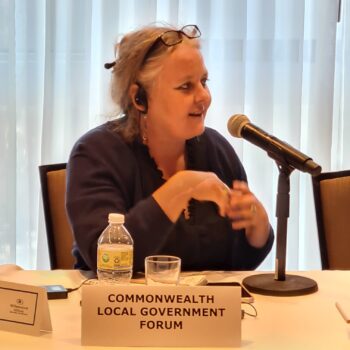
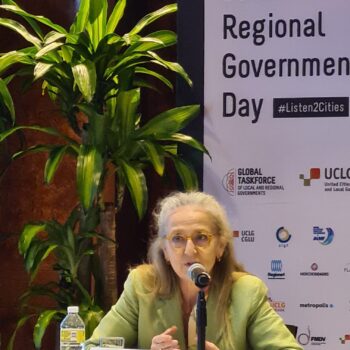
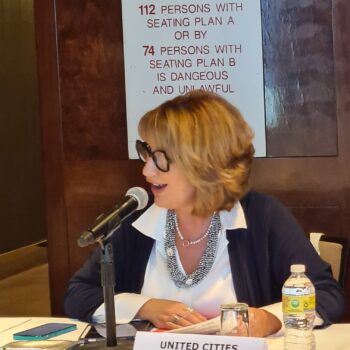
The roundtables included María Bassols, Deputy Ambassador at Spain’s Permanent Mission to the United Nations; Berry Vrbarnovic, Mayor of Kitchener and President of UCLG; Jan Van Zanen, Mayor of The Hague and Co-President of UCLG; Emilia Saiz, Secretary General of UCLG; Fabrizio Rossi, Secretary General of CEMR; Johnny Araya, Mayor of San José and President of FLACMA; Clara Brugada, Mayor of Iztapalapa; Magnus Berntsson, President of the Västra Götaland region; Pilar Díaz, Deputy for International Relations at the Barcelona Provincial Council; Diana López, from the United Nations Programme for Sustainable Development; Pablo Javkin, Mayor of Rosario; Irací Hassler, Mayor of Santiago; Isabel Gil Rosiña, Regional Minister for Equality and Development Cooperation of the Regional Government of Extremadura; and Kuvanychbek Kongantiev, President of the Bishkek Municipal Council.