

12/03/2025
Provincial councils, island councils and insular councils strengthen their commitment to the 2030 Agenda at a strategic FEMP meeting
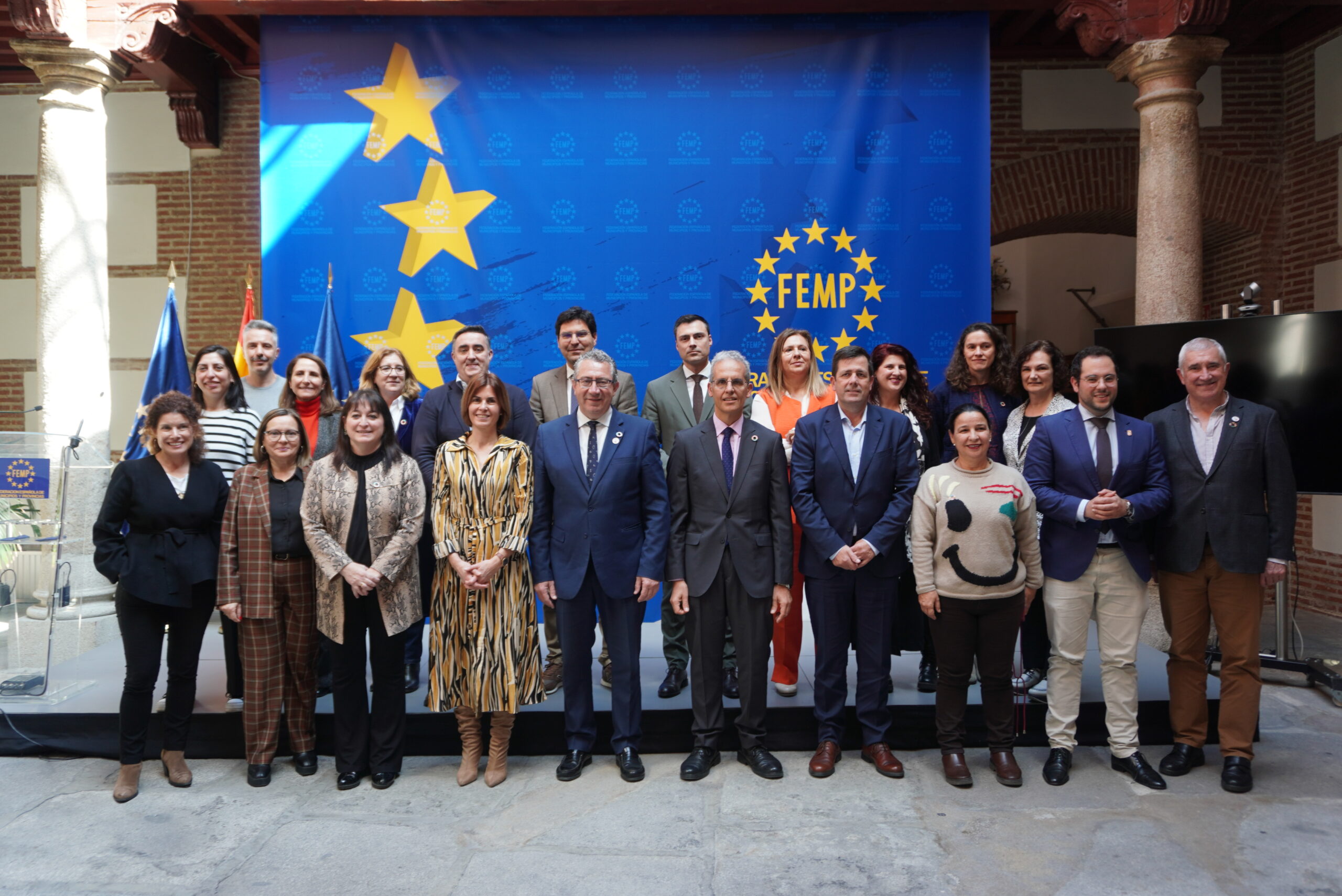
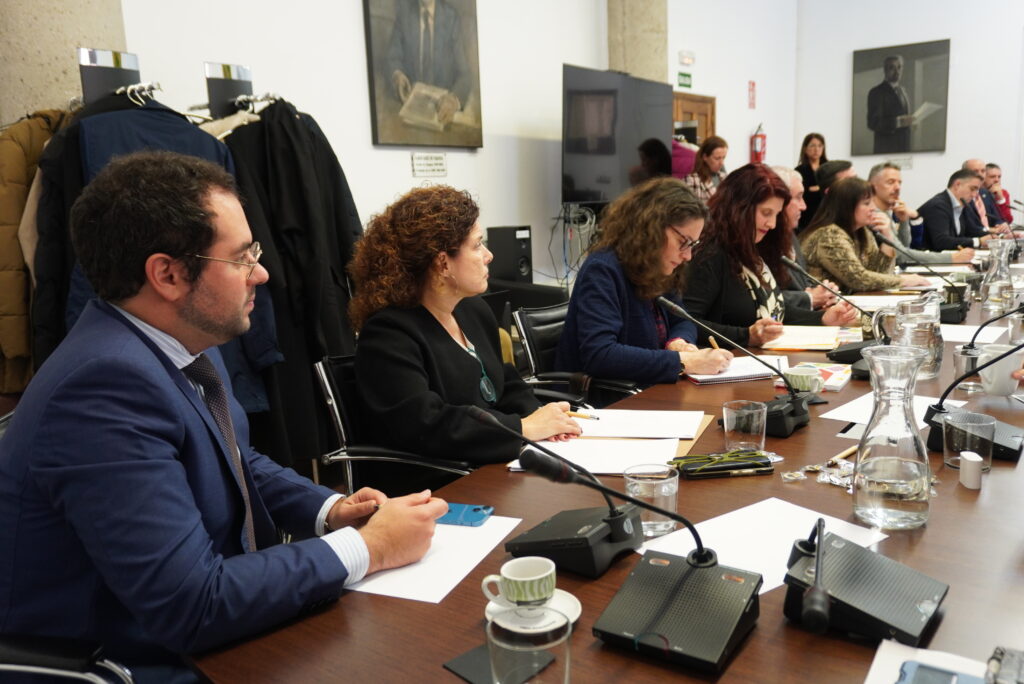
Intermediate local entities within the FEMP Network of Local Entities for the 2030 Agenda held a key session today to strengthen cooperation on sustainable development. The meeting addressed progress, challenges and opportunities to continue driving the implementation of the 17 Sustainable Development Goals (SDGs), with a special focus on SDG 17, “Partnerships for the Goals”.
FEMP Secretary General Luis Martínez-Sicluna Sepúlveda, in opening the meeting, highlighted the relevance of the Network as a benchmark space for sharing experiences and learning. In his remarks, he underscored the work carried out to date, reflected in strategic guides on indicators, budgets, communication and the localization of the 2030 Agenda at the local level. He also stressed the importance of this session as an opportunity to define how intermediate local entities can support municipalities in integrating the SDGs.
Antonio Pérez Pérez, President of the Network of Local Entities for the 2030 Agenda and President of the Provincial Council of Alicante, for his part, insisted on the need to improve coordination between institutions to facilitate the implementation of the 2030 Agenda in smaller municipalities, which face greater difficulties in this process. The President of the Provincial Council of Alicante highlighted the key role of provincial councils and island councils as strategic allies to ensure that the 2030 Agenda reaches the entire territory, strengthening the commitment to SDG 17.
Progress and good practices in implementing the 2030 Agenda
During the session, various provincial councils and island councils shared their most notable initiatives in applying the SDGs. Among them, the Provincial Council of Badajoz highlighted its efforts to include the SDGs in its budgets and institutional communications, as well as the creation of the SDG COMPANY seal. The Provincial Council of Barcelona, for its part, presented its strategic plans for the 2030 Agenda and its current evaluation phase to improve the implementation of the goals at the local level.
The Provincial Council of Lugo presented its model for mainstreaming the SDGs across all its services, while the Island Council of La Palma presented its own indicator system, developed in a context of recovery following the eruption of the Tajogaite volcano. The Provincial Council of Ourense focused on youth awareness-raising, promoting the dissemination of the SDGs in schools through a non-partisan approach.
Other relevant initiatives included the guide for integrating the SDGs in small municipalities promoted by the Provincial Council of Burgos, with special attention to demographic sustainability, and the cross-border project of the Provincial Council of Pontevedra with Portugal for the sustainable management of waste. The Provincial Council of Soria emphasized its support role for small municipalities, highlighting its master plan for archaeological sites with a focus on sustainable tourism.
The Provincial Council of Córdoba presented the ALIANZA 2030 project as a driver of territorial collaboration, while the Provincial Council of Cáceres has worked on strengthening municipalities’ technical capacity to improve SDG implementation. In the business sphere, the Insular Council of Mallorca explained its MALLORCA ACTIVA platform, which brings together training programmes and events to promote sustainability in the local economic fabric.
Other provincial councils, such as Málaga, have developed cross-cutting strategies that include training and budgets aligned with the SDGs, while the Provincial Council of Huelva highlighted its push for green hydrogen as a driver of sustainable development. The Provincial Council of Segovia opted for citizen participation through social innovation centres, strengthening technical support for the smallest municipalities.
Challenges and opportunities on the road to 2030
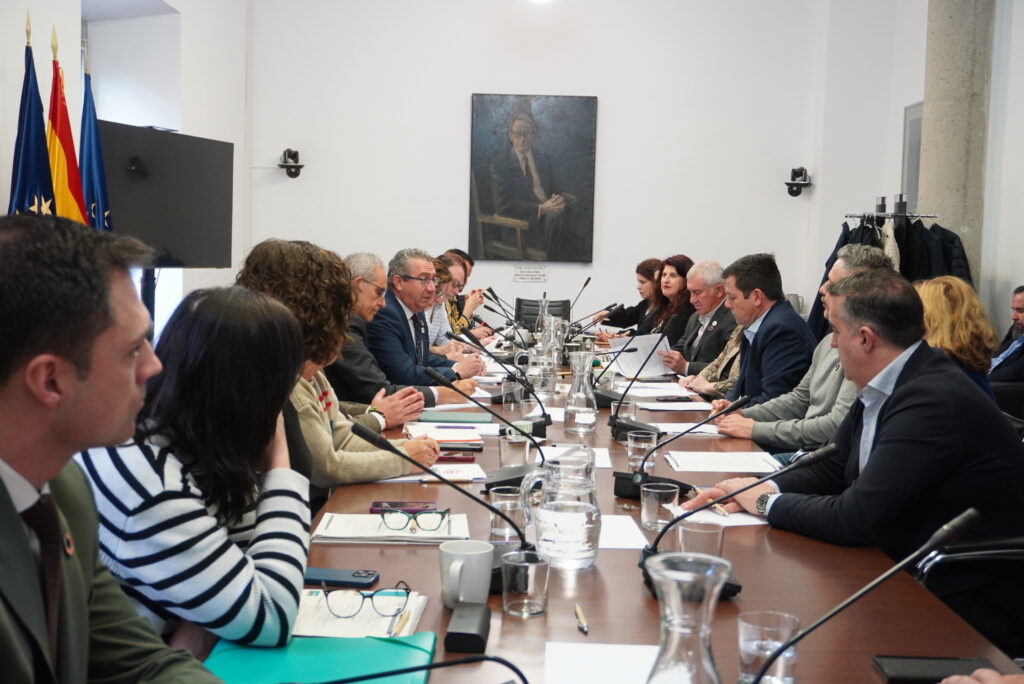
The debate also made it possible to identify the main challenges in implementing the 2030 Agenda at the local level. The need to improve communication and territorial reach to prevent misinformation about sustainable development was highlighted, as well as the importance of greater funding and coordination between entities. The urgency of making progress in evaluating policies already implemented, avoiding duplication of efforts and strengthening alignment between the different administrative levels was also addressed.
The opportunity presented by the 2030 Agenda to create new spaces for cooperation, foster strategic partnerships, engage young people and digitize administrative processes that facilitate the monitoring and management of the SDGs was also emphasized.
The participating entities agreed on the need to continue strengthening the Network of Local Entities for the 2030 Agenda, promoting meetings like today’s to continue sharing good practices and move forward in building a more sustainable and inclusive future for all territories.


