


05/05/2026
The Network promotes Local Voluntary Reports in Ayamonte as a tool for municipal transformation
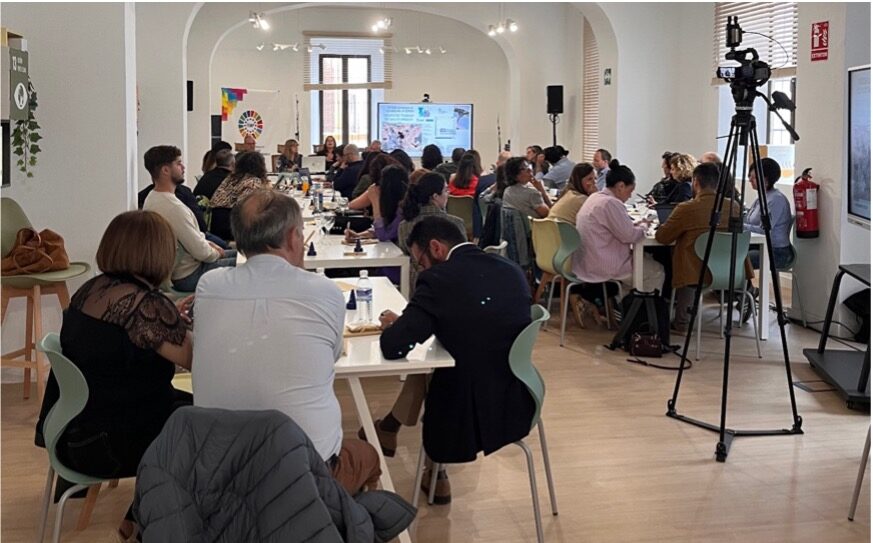
Ayamonte, April 29, 2026.- The Spanish Federation of Municipalities and Provinces (FEMP), through the Network of Local Entities for the 2030 Agenda for Sustainable Development, held the conference “Advancing Local Voluntary Reports” in Ayamonte, an event aimed at strengthening the role of municipalities in the localization of the 2030 Agenda and offering practical tools for preparing the Local Voluntary Reports (LVRs).
The session brought together institutional representatives, municipal technical managers, and experts in planning, sustainability, and data management, with a shared objective: to advance in the creation of reports that are not only reporting instruments but also useful tools for understanding the contribution to the Sustainable Development Goals (SDGs) through local and provincial policies, as well as, for improving public management and measuring results.
Institutional Opening
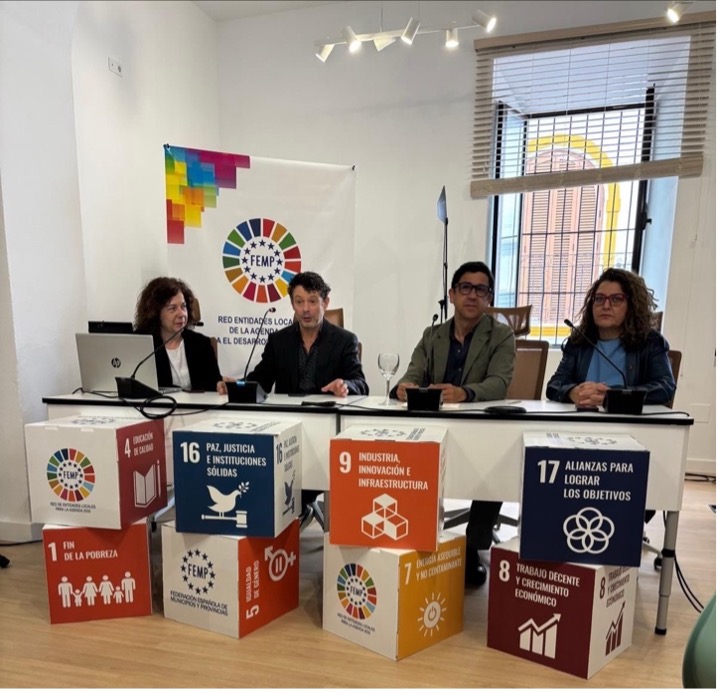
During the institutional opening, Alberto Fernández Rodríguez, Mayor of Ayamonte, highlighted the value of the 2030 Agenda as a framework for organizing municipal strategic planning and aligning it with European funding opportunities. In this regard, he pointed out that the SDGs allow local entities to connect their development objectives with a roadmap capable of guiding investments, attracting resources, and strengthening local development. Likewise, Luis Simón, Deputy Director of the 2030 Agenda at the Ministry of Social Rights, Consumer Affairs, and the 2030 Agenda, emphasized the importance of adapting the SDGs to the reality of each territory, recalling that priorities are not the same in all contexts and that, in Spain, issues such as well-being, child nutrition, or quality of life make a key difference when it comes to implementing the 2030 Agenda in public policies.
The LVR as a management and transparency tool
The conference began with the session “Beyond Data: The Local Voluntary Report as a Lever for Municipal Transformation and Transparency,” which addressed the LVR as a management tool at the service of municipalities. This block focused on three key dimensions: improving internal management, using data intelligence for decision-making, and accountability to citizens.
The session confirmed that Local Voluntary Reports should not be understood merely as evaluation documents, but as institutional learning processes. Their preparation helps identify progress, prioritize, detect barriers, and foster a culture of continuous improvement in local public policies.
Strategies to overcome barriers from the territory
Next, the panel discussion “Strategies to Overcome Barriers in LVR Preparation” allowed for the sharing of experiences from different territories and municipal scales. Moderated by Miguel Ángel García, a consultant at Idencity, the panel included the participation of Estrella Michel, Urban Agenda and European Funds Technician at Segovia City Council; Mónica Laguna, Coordinator of the EDUSI Technical Management Office at Cádiz City Council; and Daniel Calleja, Environmental Technician at Santa Ana la Real City Council.
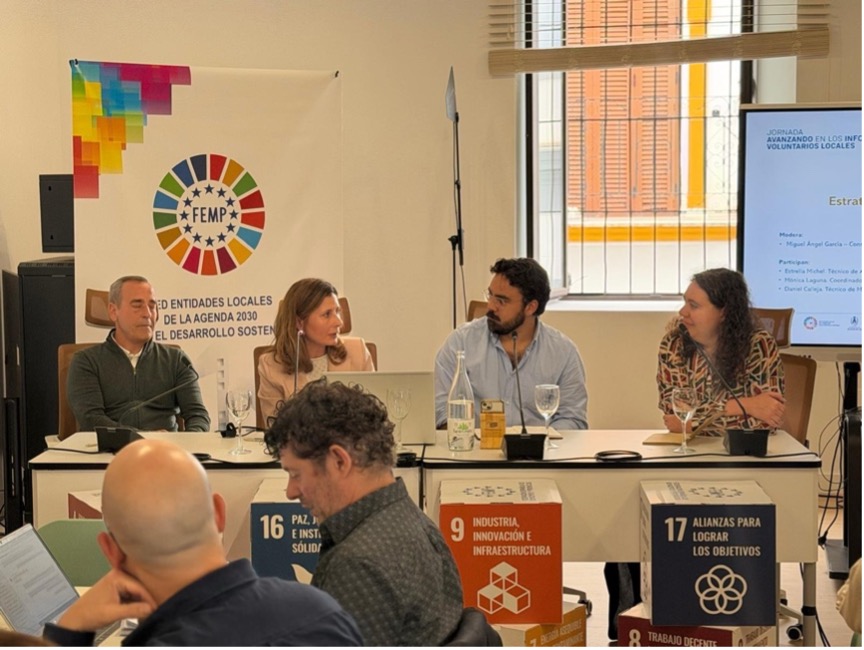
During the debate, participants agreed on one of the central challenges of the 2030 Agenda at the local level: bringing the SDGs closer to citizens and translating them into daily life. From small municipalities to provincial capitals, the shared experiences highlighted that awareness, citizen participation, and results measurement are essential for the 2030 Agenda to advance from the ground up.
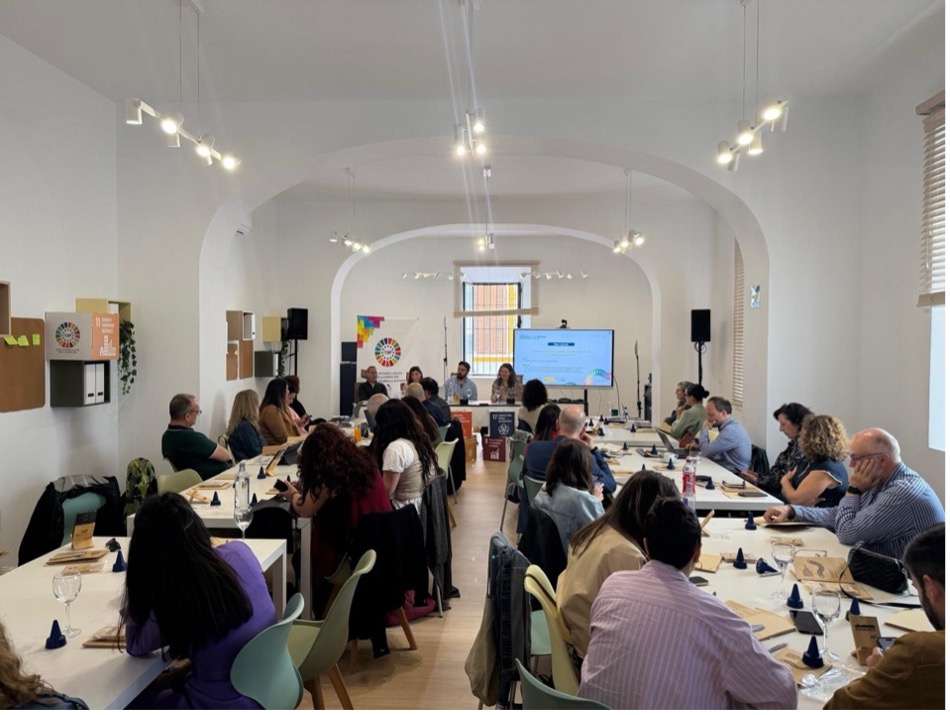
Among the good practices presented, the creation of local participation spaces to build shared diagnoses and roadmaps; the promotion of awareness campaigns linked to everyday issues, such as energy consumption or water use; the commitment to energy communities, sustainable mobility, and efficient lighting in rural areas; the development of educational programs and collaboration with universities to engage young people; and the support for the business sector in its alignment with the SDGs.
Data as a driver of local development
Data was another main focus of the conference. In the panel “Success Stories: the data observatory as a driver for the creation of the Local Voluntary Report”, moderated by Elías Casado, an expert in the 2030 Agenda, different experiences related to intelligent information management and its application in municipal planning were presented.
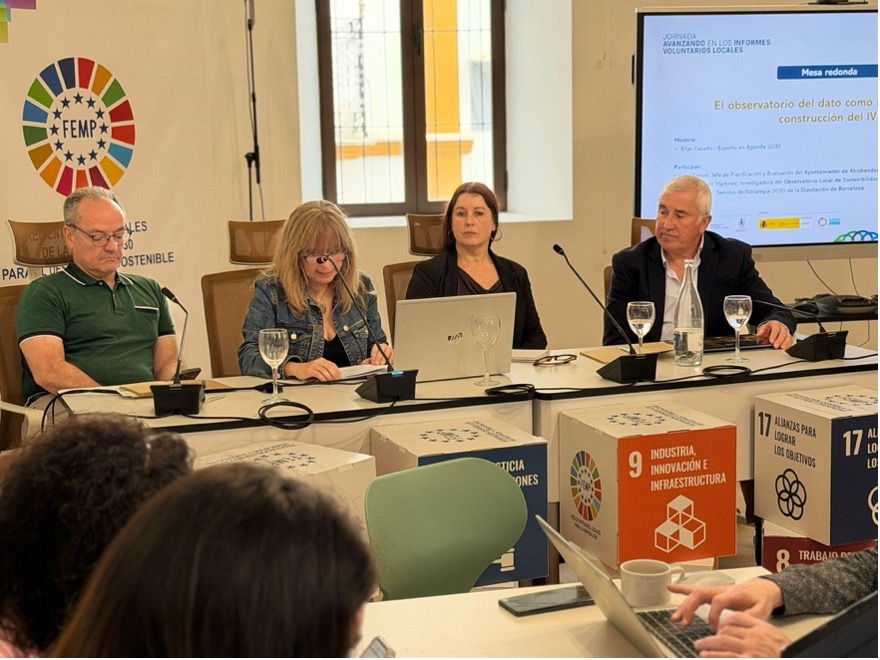
Lino Ramos, Head of Planning and Evaluation at Alcobendas City Council, shared his municipality’s experience in incorporating artificial intelligence into planning processes, emphasizing the need to advance in data literacy within public administrations. From this perspective, the LVR is proposed as the culmination of a strategic learning cycle that allows for collecting information, analyzing it, evaluating decisions, and improving policies.
Carmen Belén Martínez, researcher at the Albacete Local Sustainability Observatory, advocated for a data approach that combines scientific rigor and social utility. Her presentation showed how tools such as satellite images or urban health studies can help better understand the reality of neighborhoods and guide public decisions with a direct impact on the quality of life of citizens.
For her part, Mònica Pagès, from the 2030 Strategy Service of the Barcelona Provincial Council, presented the “Visor 2030”, an open-source and collaborative tool that helps municipalities compare progress, ensure budgetary transparency , and visually communicate the 2030 Agenda to citizens.
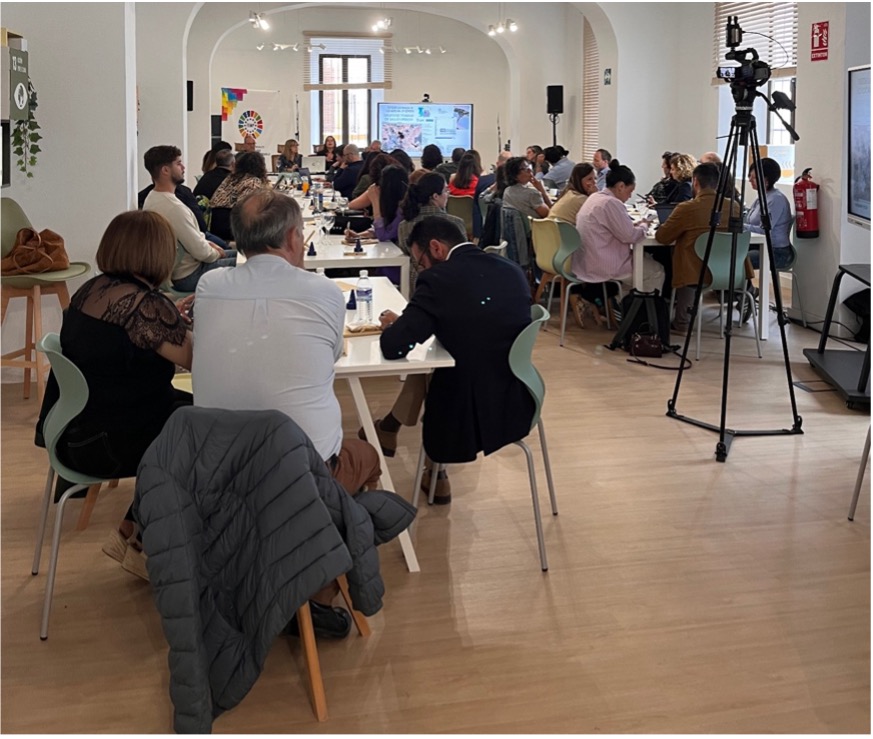
The interventions led to a shared conclusion: to advance the 2030 Agenda, merely having data is not enough. It is necessary to build a data culture that allows for moving from reactive management to predictive management, capable of anticipating needs, guiding resources, and strengthening municipal transparency.
Shared challenges and practical solutions
The conference continued with a space for applied reflection on the challenges and opportunities in report management. Through a participatory dynamic, attendees worked on identifying technical and management barriers encountered by local entities, as well as possible solutions based on the practical experience of municipalities.
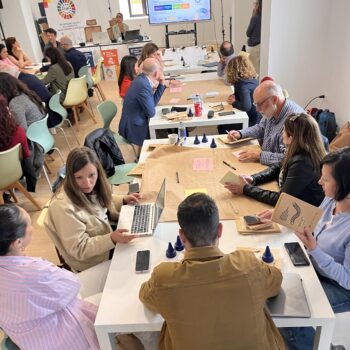
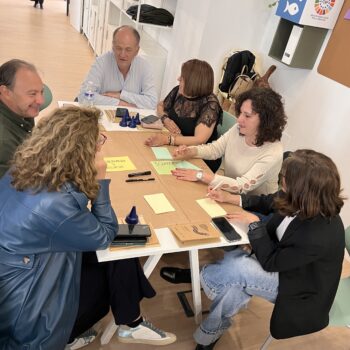
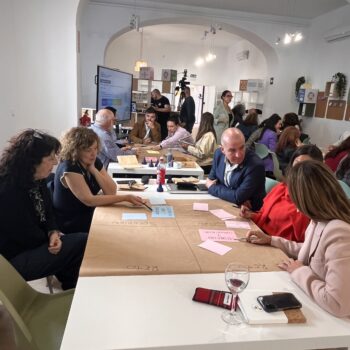
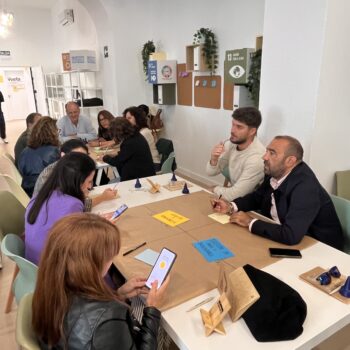
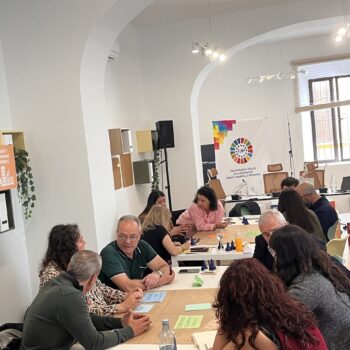
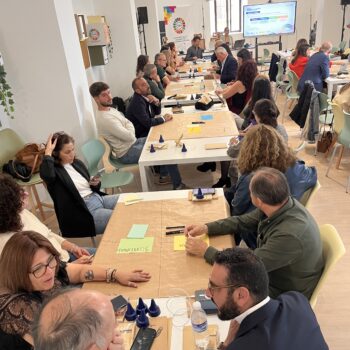
This block allowed for the generation of a collective diagnosis on the state of the 2030 Agenda in the territories and highlighted the importance of creating spaces for exchange among local entities. The diversity of municipal realities showed that there is no single way to prepare an LVR, but there are a series of common elements: political leadership, technical coordination, data availability, citizen participation, continuity over time, and the ability to communicate results clearly.
The FEMP SDG Viewer Platform
The technical session on the FEMP SDG Viewer Platform completed the day’s agenda, showing how this tool can contribute to automating and simplifying the preparation of Local Voluntary Reports. The demonstration was aimed at facilitating information reporting, reducing technical burdens, and offering municipalities practical support to advance in their evaluation and accountability processes.
LVRs, much more than reports
The conference “Advancing Local Voluntary Reports” concluded with a central idea: LVRs are instruments to organize municipal action, measure the impact of public policies, strengthen transparency, and connect the 2030 Agenda with the specific needs of each territory.
From Ayamonte, the FEMP’s Network of Local Entities for the 2030 Agenda, together with the Ministry of Social Rights, Consumer Affairs, and the 2030 Agenda, have once again underscored the essential role of local governments in achieving the SDGs. Their proximity to citizens, their knowledge of the territory, and their ability to transform daily life make municipalities key actors in moving towards more sustainable, just development aligned with present challenges.


