


02/10/2026
The Network takes part in the first meeting of 2030 World Cup host cities and territories
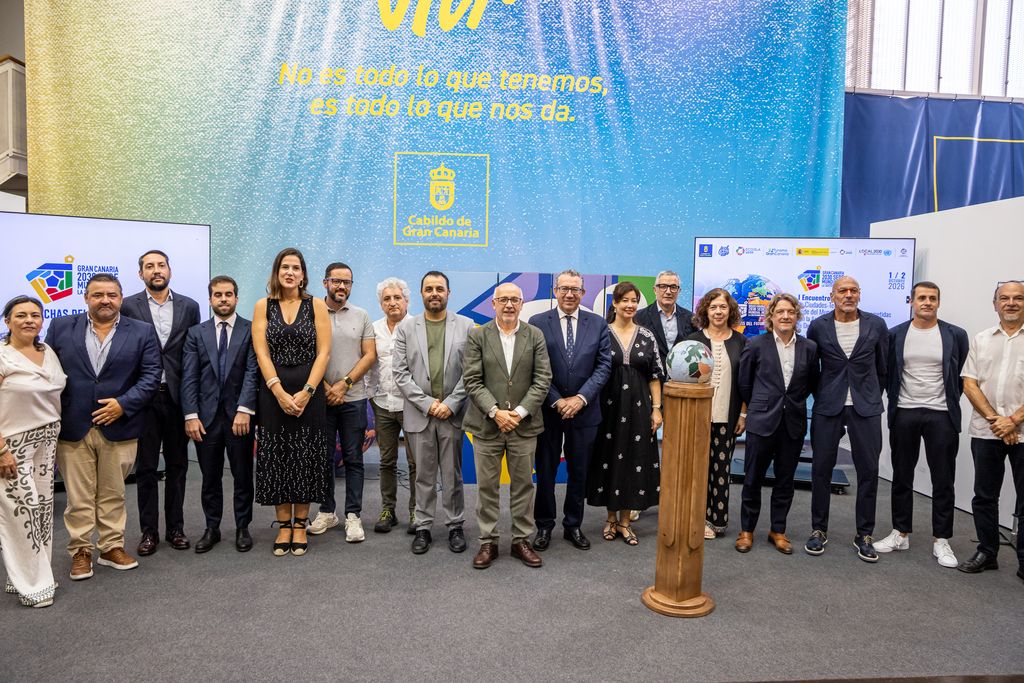
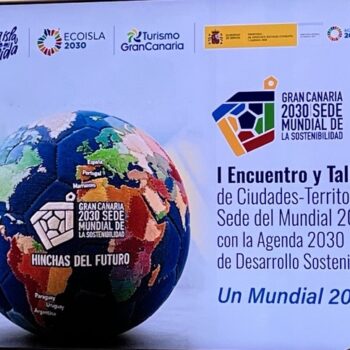
The President of the Network of Local Entities for the 2030 Agenda for Sustainable Development, Antonio Pérez Pérez, took part in the 1st Meeting and Workshop of 2030 World Cup Host Cities and Territories committed to the 2030 Agenda for Sustainable Development in Gran Canaria. Promoted by the Gran Canaria Island Council under the slogan “A 2030 World Cup of Values”, the event brought together institutional and technical representatives from different territories linked to the tournament.
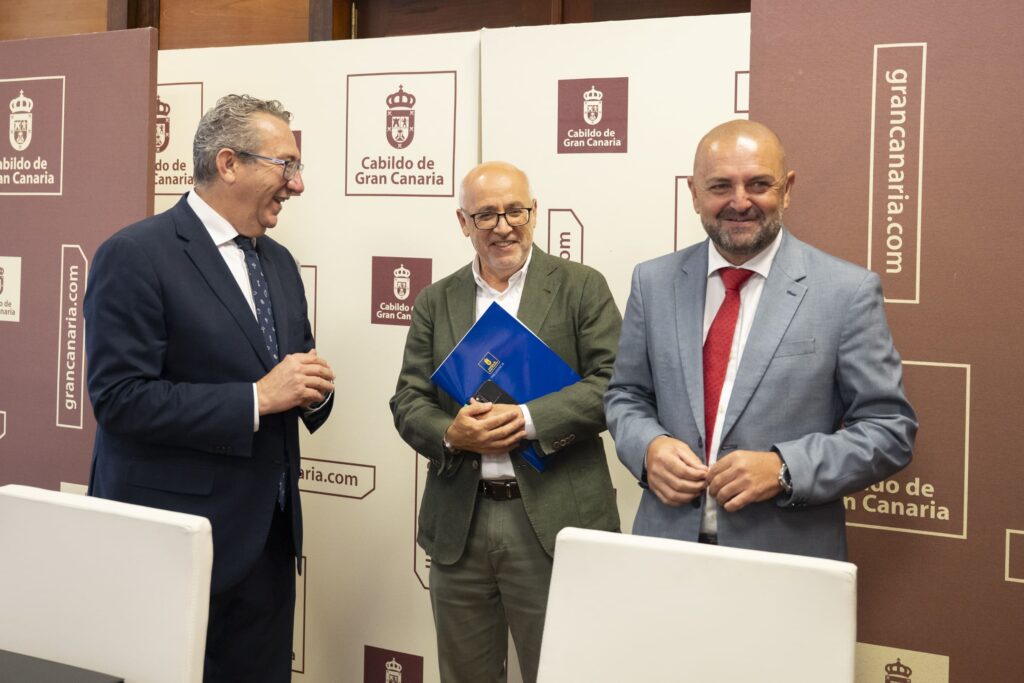
Before the start of the main programme, Antonio Pérez held an institutional meeting with the President of the Gran Canaria Island Council, Antonio Morales, focused on the challenges faced by tourist destinations in the context of climate change and the exchange of initiatives already being developed at a local level. The meeting was also attended by Carlos Álamo, Gran Canaria Island Council’s Councillor for Tourism; David Perejil, General Director of the 2030 Agenda; and Marta Méndez, National Coordinator of the Secretariat of the United Nations Local2030 Coalition.
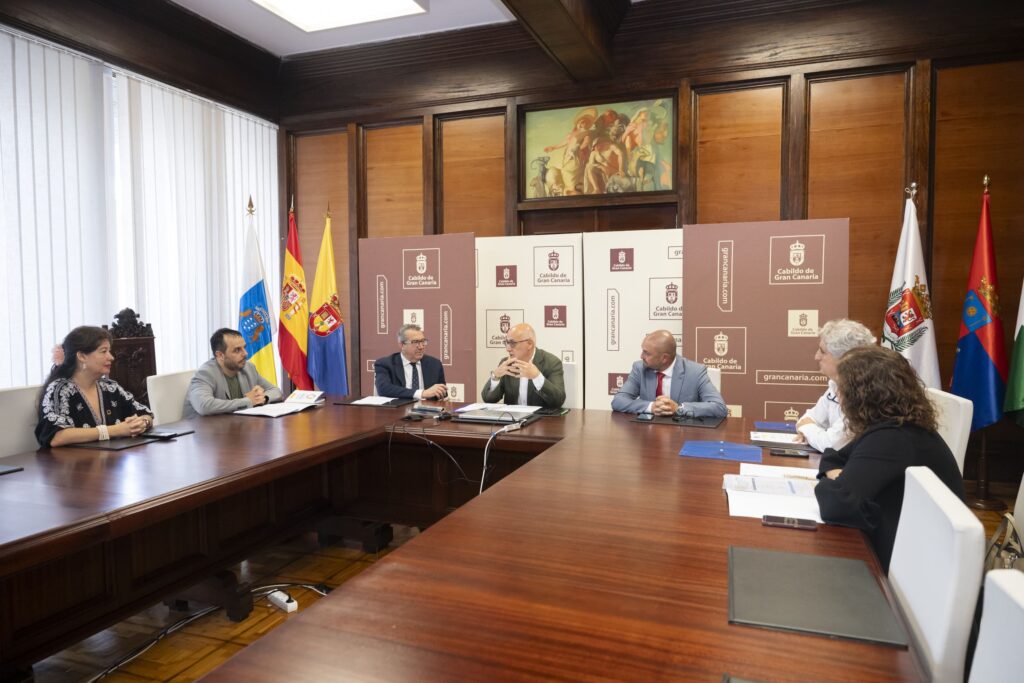
The President of the Network subsequently took part in the institutional opening of the meeting, which addressed the role that host cities and territories can play in linking the 2030 World Cup with a legacy aligned with the 2030 Agenda.
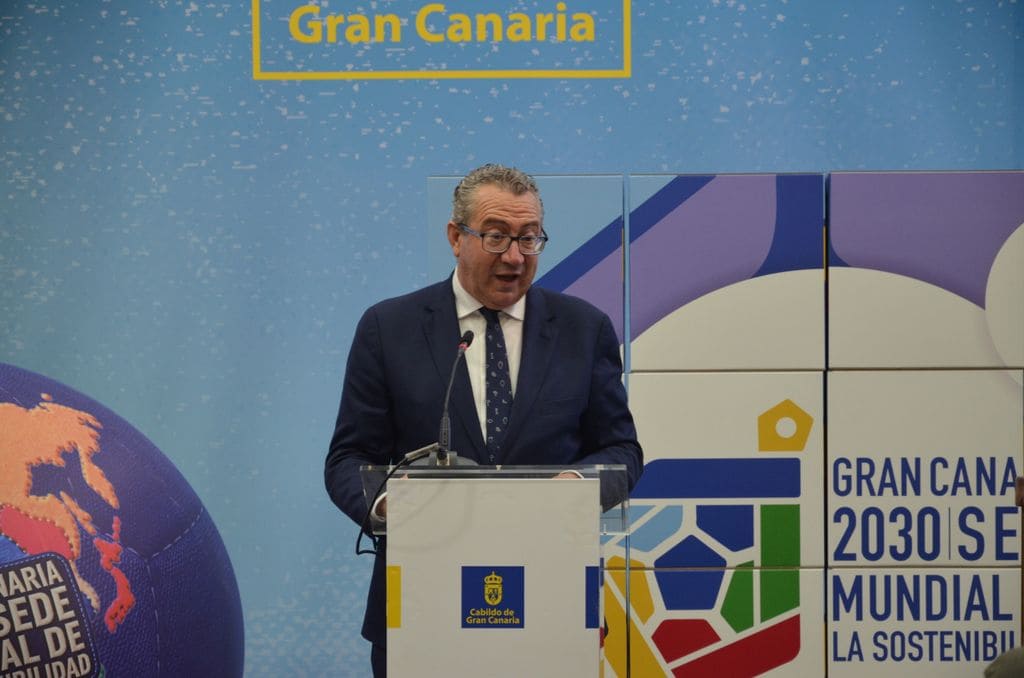
During his speech, Antonio Pérez highlighted “the enormous significance that the 2030 World Cup can have in advancing the Sustainable Development Strategy, particularly if it is developed collaboratively through partnerships among all FIFA World Cup host cities and territories”.
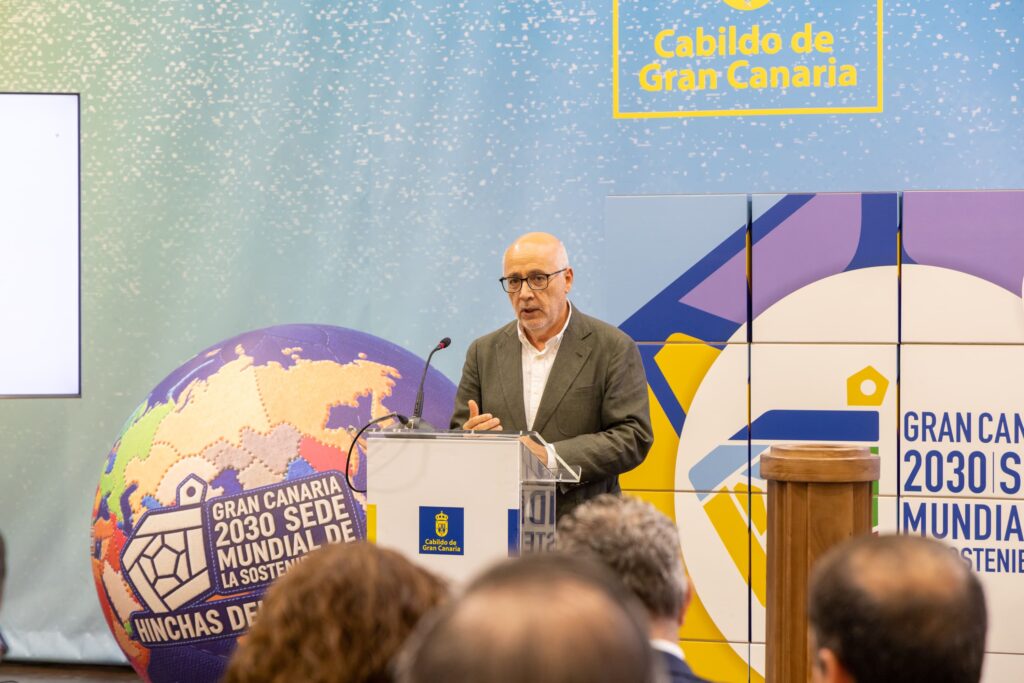
Antonio Morales, President of the Gran Canaria Island Council, also addressed the opportunity the tournament represents to promote lasting transformations in the territories:
“We want Gran Canaria to use the World Cup as an opportunity to leave a real legacy. We are not talking only about infrastructure or hosting a major sporting competition, but about using this event as a catalyst to make progress in sustainability, social cohesion and the protection of our territory.”
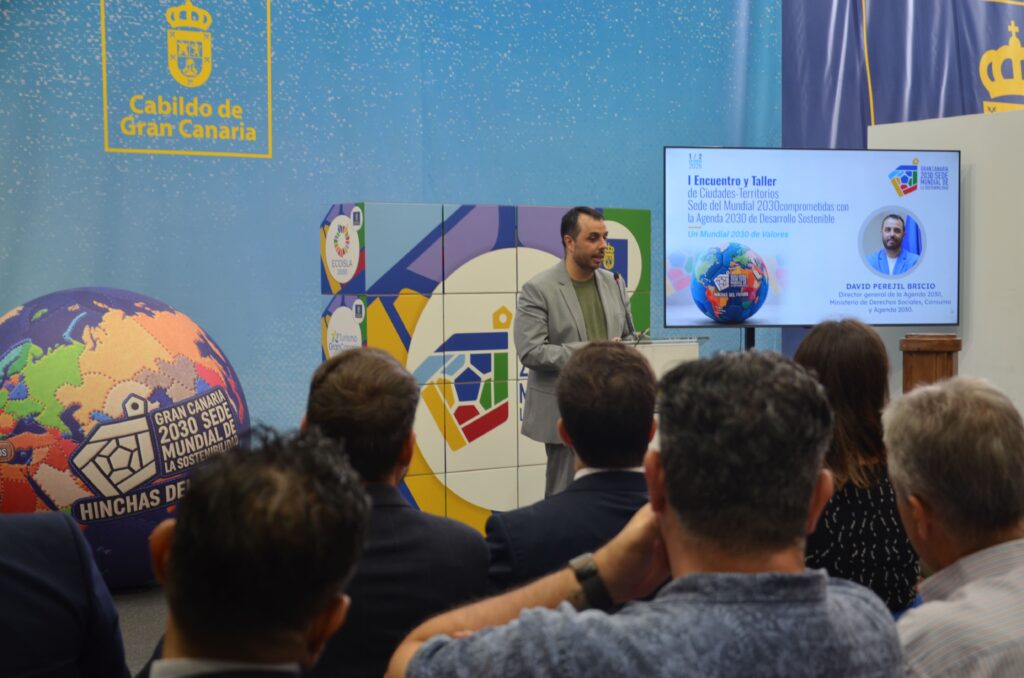
For his part, David Perejil, General Director of the 2030 Agenda, highlighted the role that events of this kind can play in bringing the Sustainable Development Goals closer to citizens:
“Major international events can become a tool to accelerate transformations and bring the Sustainable Development Goals closer to citizens. The involvement of local governments is essential if this agenda is to translate into tangible changes in the territories.”
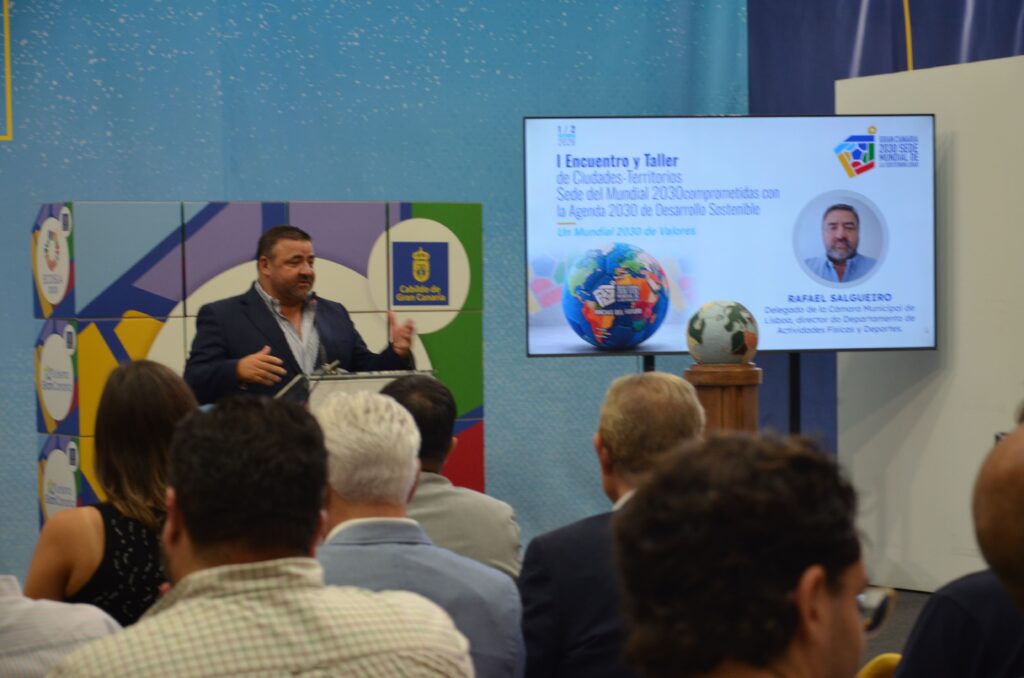
Representatives from Gran Canaria, Barcelona, Donostia-San Sebastián, Seville, Lisbon and Montevideo took part in this first meeting, alongside representatives from the Government of Spain, the United Nations and United Cities and Local Governments (UCLG).
The initiative aims to create a shared space where territories can exchange experiences, identify challenges and make progress on areas of work linked to the 2030 World Cup and sustainable development.
A legacy beyond the sporting event
During his speech, the President also highlighted the opportunity to understand the legacy of the World Cup from a broad perspective, extending beyond stadiums and infrastructure directly related to the competition.
The areas identified included sustainable mobility, improvements to public spaces, energy efficiency, climate change adaptation, inclusion, health promotion and citizen participation. These are policies that many cities are already advancing and which the World Cup can help accelerate.
He also highlighted the role of sport as a tool linked to health, well-being, healthy lifestyles, education, coexistence, inclusion and social cohesion, and advocated for a concept of legacy connected to quality of life and the ability of territories to address future challenges.
In this context, Antonio Pérez underlined the role of the Network in this process:
“From the Spanish Federation of Municipalities and Provinces and the Network of Local Entities for the 2030 Agenda, we want to actively contribute to this process by connecting territories, sharing experiences and strengthening the partnerships needed to turn this opportunity into tangible results.”
Exchange of experiences between cities and territories
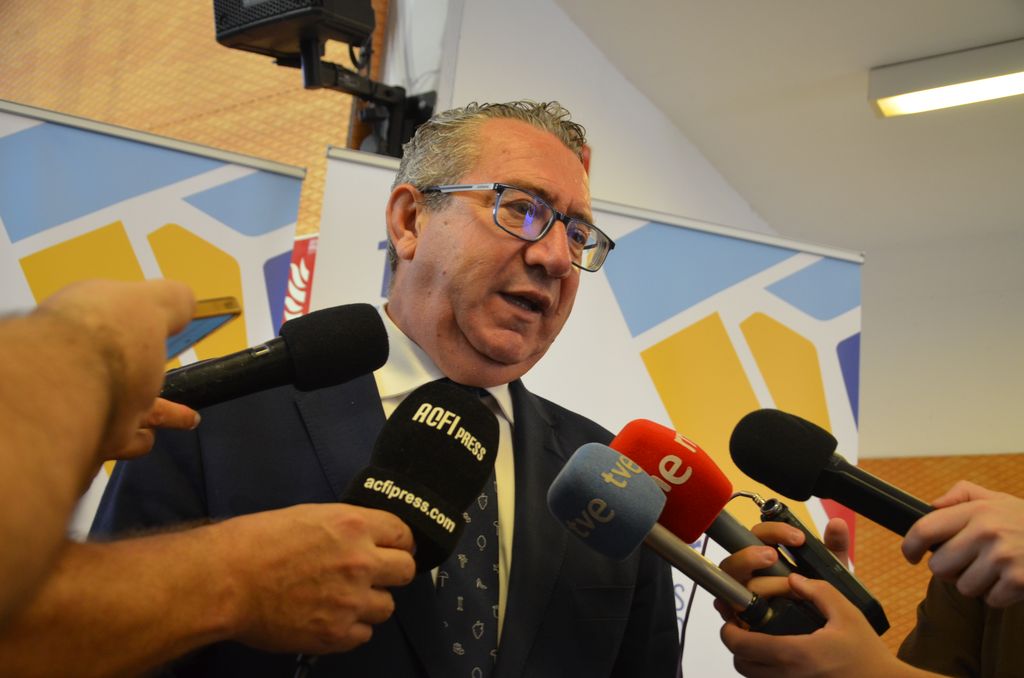
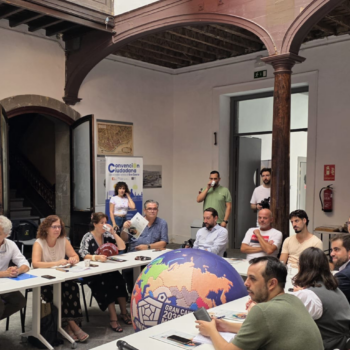
The exchange of experiences between territories was one of the central themes of the meeting. During the first day, a working session was held with the participating cities and territories, providing a space to share approaches and initiatives linked to the 2030 World Cup and sustainable development, and to make progress towards proposals for a shared work agenda.
The second day brought this exchange into the territory itself through an institutional tour of different locations in Gran Canaria, aimed at showcasing how the island intends to connect its role as a World Cup host with sustainability, heritage, landscape, local produce and quality tourism.
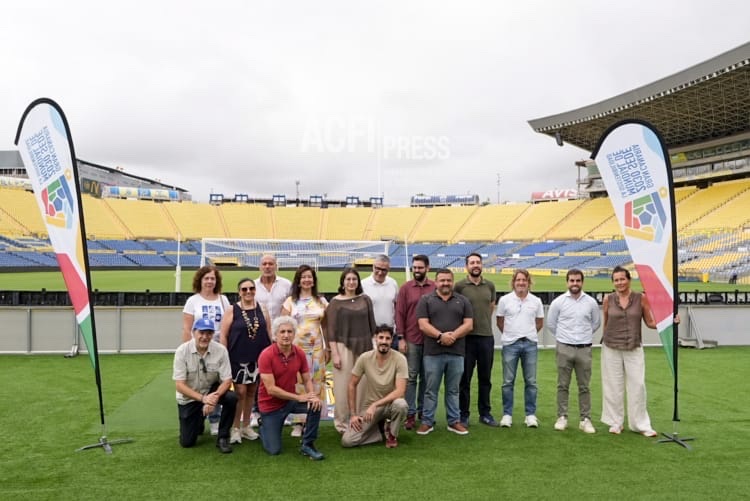
The tour began at the Gran Canaria Stadium, where the delegations learned about the venue’s transformation project and some of the planned measures relating to energy efficiency, accessibility and diversity.
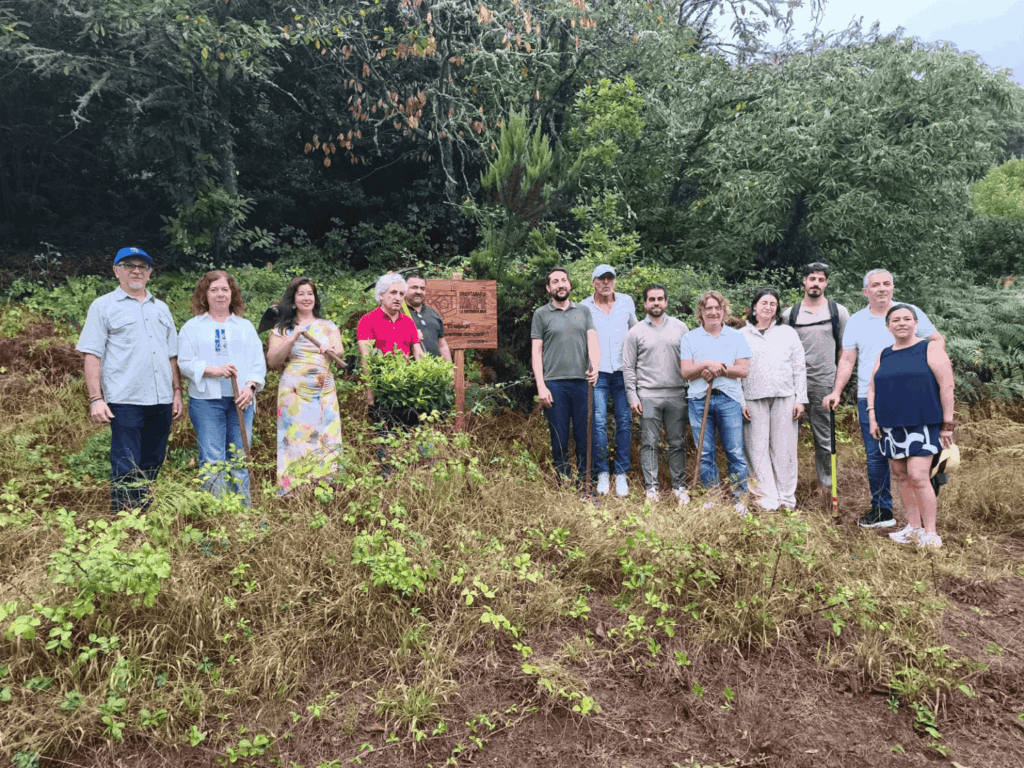
The visit then continued at Finca de Osorio, where the first tree was planted to offset the carbon footprint of the FIFA 2030 World Cup. This symbolic event, accompanied by a plaque bearing the slogan “A 2030 World Cup of Values”, forms part of the commitment to begin building a legacy linked to sustainability and the protection of the territory from the outset.
The programme also included an introduction to Gran Canaria’s local produce and concluded in Tejeda, at the Gran Canaria World Heritage and Biosphere Reserve Management and Interpretation Centre, with a visit to the Cultural Landscape of Risco Caído and the Sacred Mountains of Gran Canaria.
With this second day, the meeting reinforced its goal of building an alliance between the cities and territories hosting the 2030 World Cup, enabling them to share initiatives, experiences and commitments around sustainable development and to establish a common agenda extending beyond the sporting event.


