

22/10/2025
We held the Conference “Strengthening Trust in the 2030 Agenda from Local Governments”
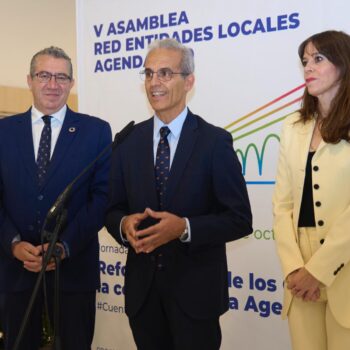
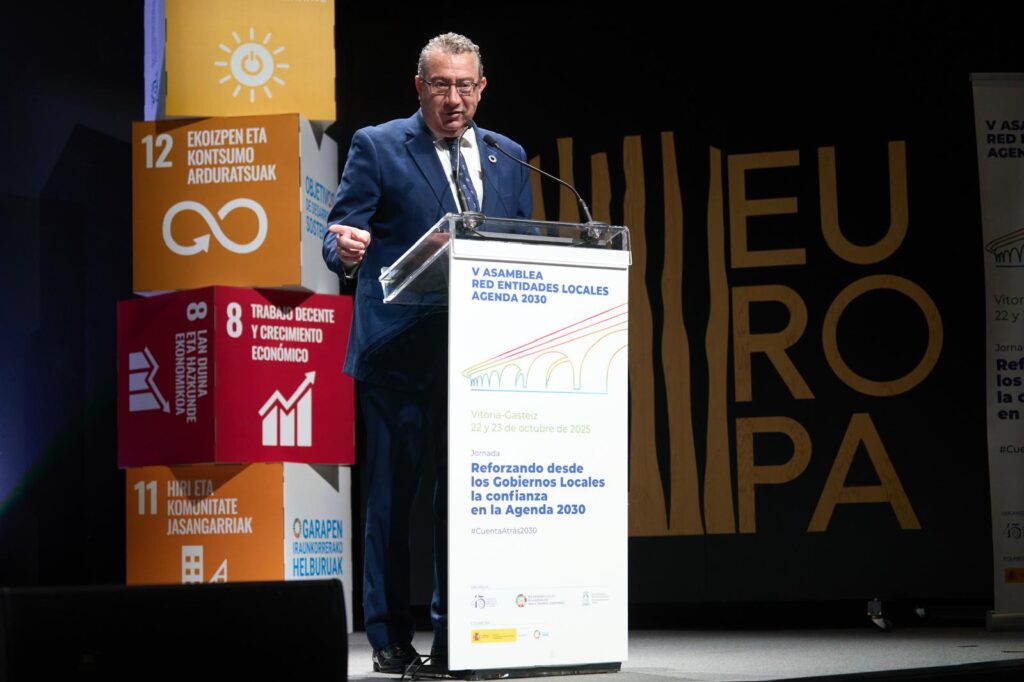
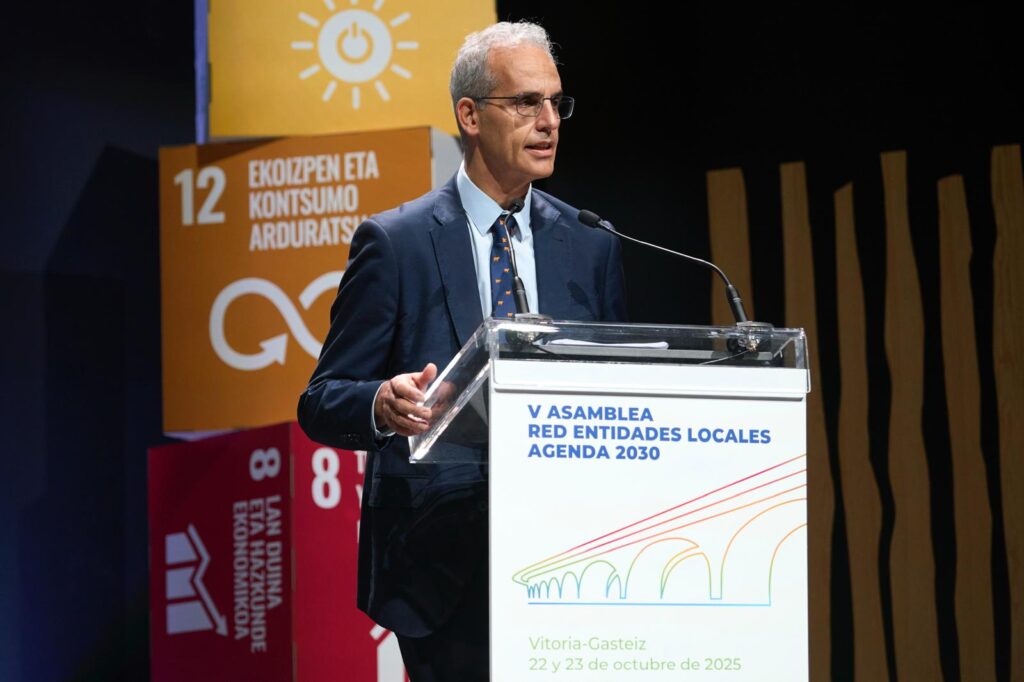
City councils, provincial councils, island councils, and island governments play a decisive role in advancing towards the new global development model driven by the 2030 Agenda. This was highlighted by the president of the FEMP’s Network of Local Entities for the 2030 Agenda and mayor of Benidorm, Antonio Pérez Pérez, during the opening of the conference “Strengthening Trust in the 2030 Agenda from Local Governments”, held within the framework of the Network’s 5th Assembly in Vitoria-Gasteiz.
Pérez recalled that the commitment of local administrations involves “thinking globally and acting locally,” and emphasized the relevance of provincial and island governments in this process. “City councils face significant challenges in implementing the 2030 Agenda, and in this work, provincial councils play a key role because we provide essential services to municipalities, especially those with fewer resources and technical capacity,” he stated.
The Network’s president argued that municipal alliances and the exchange of experiences strengthen the Sustainable Development Goals (SDGs), “a roadmap that guides us towards a more equitable, resilient, and prosperous future.”
A vision shared by the Secretary General of the FEMP, Luis Martínez-Sicluna, who highlighted that local governments “manage public services, plan the territory, listen firsthand to the demands of the population, and translate international commitments into concrete actions.” Martínez-Sicluna recalled that “today more than ever, the world faces challenges of enormous complexity,” from the climate crisis and social inequalities to geopolitical instability and technological transformations, and insisted that the 2030 Agenda “is a collective commitment that guides global solutions that must be materialized in local actions.”
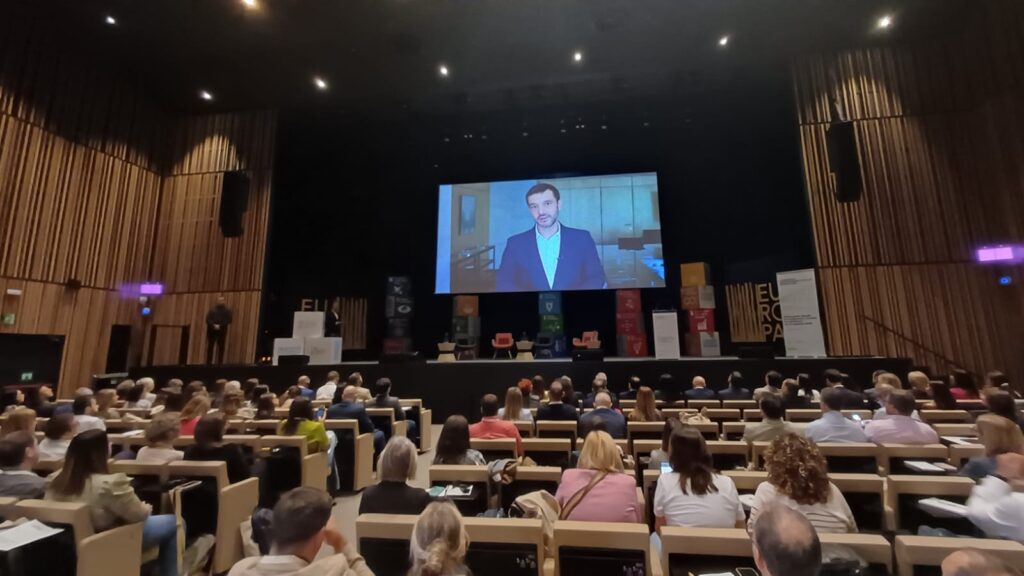
Through a video message, the Minister of Social Rights, Consumer Affairs, and the 2030 Agenda, Pablo Bustinduy, stressed that “ten years after the adoption of the 2030 Agenda, the message is clear: we cannot let it fail.” He warned about “the disintegration of the international community as we knew it” and championed “the power of the local in the global” as an essential principle of the Agenda, thanking the daily commitment of local leaders “who make their territories spaces with more well-being, sustainability, and rights.”
For her part, the mayor of Vitoria-Gasteiz, Maider Etxebarría, emphasized that the current challenge for local governments is not to debate the 2030 Agenda, but to “implement it and translate it into daily practice.” “We are the administrations closest to the citizens and we have the responsibility to turn the Sustainable Development Goals into tangible realities,” she affirmed.
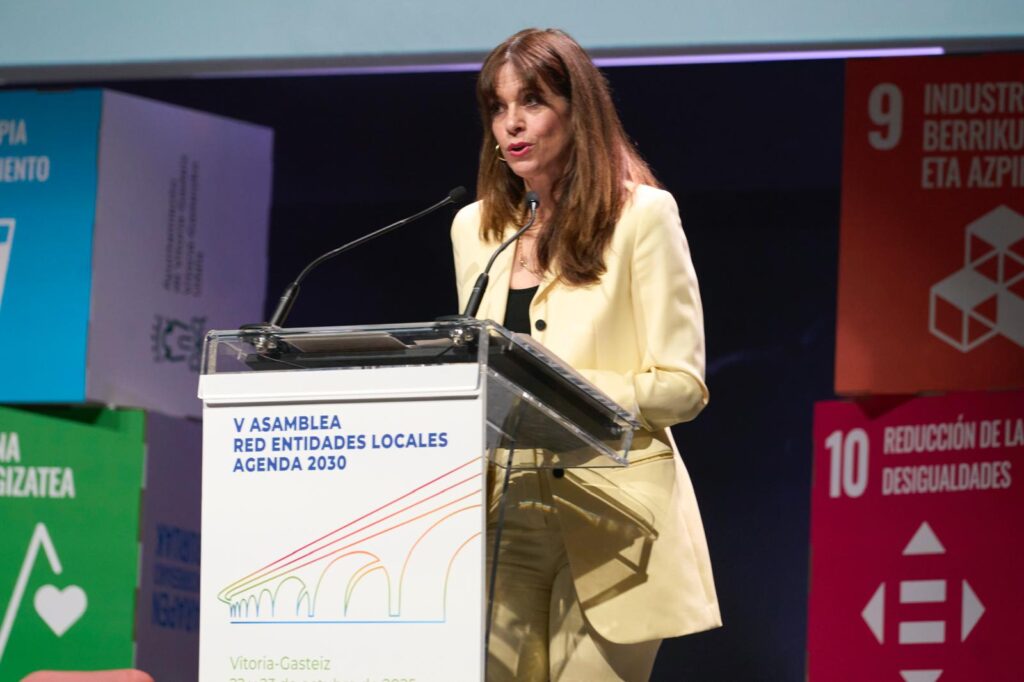
Etxebarría recalled that the success of the Agenda depends on SDG 17: Partnerships for the Goals, and called for strengthening institutional collaboration and citizen participation. She also detailed Vitoria-Gasteiz’s strategy around the SDGs, structured into ten strategic objectives developed through five working groups—the five “P”s: people, prosperity, planet, peace, and partnership—that encompass all municipal action.
Conference and Network Assembly
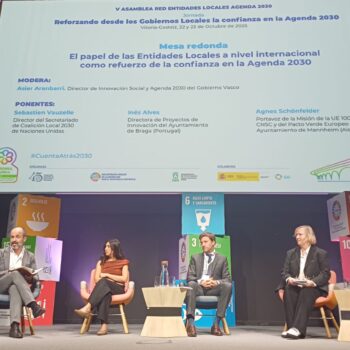
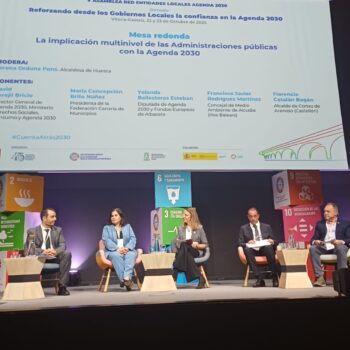
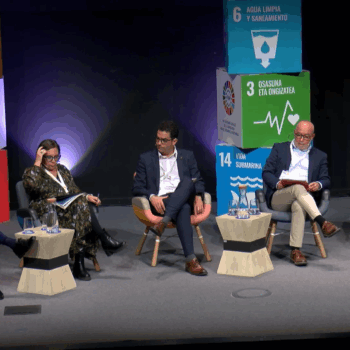
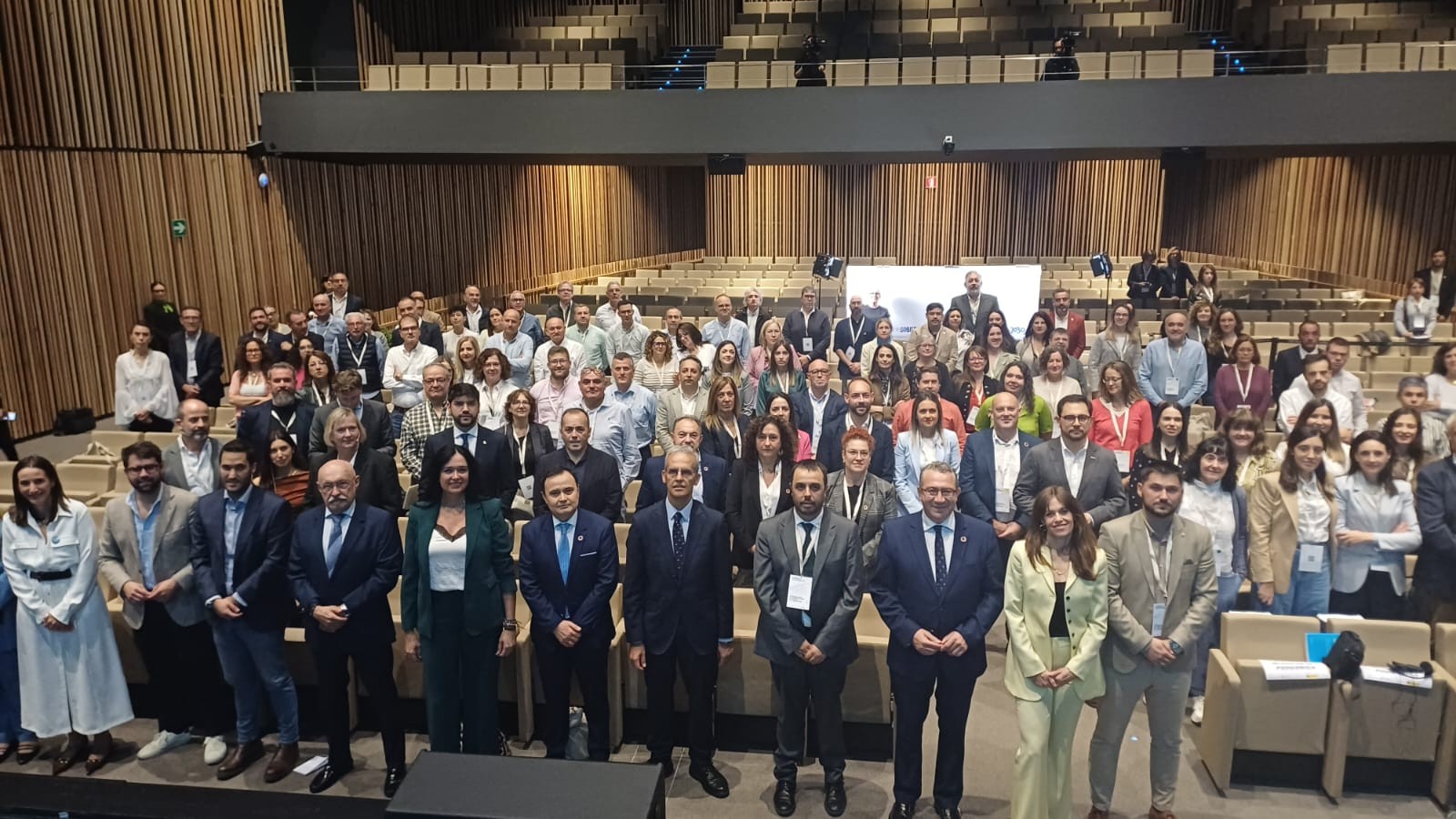
The conference, described as an “environmentally sustainable event,” took place over two days at the Europa Congress Palace in the capital of Álava. After the institutional opening, two round tables and a panel of experiences were held.
The round tables, one on the role of local entities in strengthening trust in the 2030 Agenda internationally, and another on the multi-level involvement of public administrations with the 2030 Agenda, were moderated by the Director of Social Innovation and the 2030 Agenda of the Basque Government, Asier Aranbarri, and by the second vice-president of the network and mayor of Huesca, Lorena Orduna.
The mayor of Coslada, first vice-president of the network, Ángel Viveros, led the panel of experiences with social impact, where initiatives on citizen participation as a fundamental element of the 2030 Agenda were presented.
The second day focused on climate action, the local economy, and multi-stakeholder alliances. Innovative projects with positive environmental impact were presented, as well as examples of cooperation among public administrations, the private sector, civil society, and the educational community, demonstrating that sustainability can also be an economic driver.
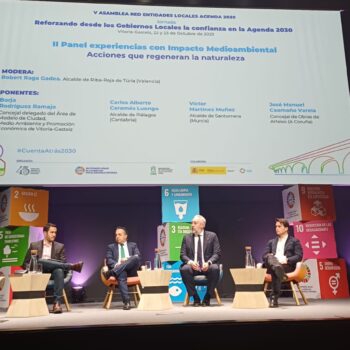
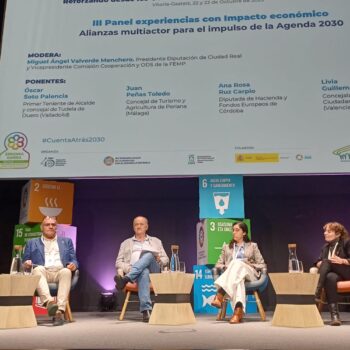
Robert Raga Gadea, mayor of Riba-roja de Túria, and Miguel Ángel Valverde Menchero, president of the Provincial Council of Ciudad Real and vice-president of the FEMP’s Cooperation and SDGs Commission, were responsible for moderating the interventions on this second day.
Conference Gallery