

Good practices
Sustainable Energy and Climate Action Plan (SECAP)
Alcalá de Xivert - Alcossebre Town Council
Summary
The Sustainable Energy and Climate Action Plan (SECAP) is the primary document that integrates the results of the pathways and strategies for climate change mitigation and adaptation, as well as the specific measures to be adopted to tackle energy poverty and ensure that all citizens have access to clean energy at an affordable price.
Project Classification
It is a Sustainable Energy and Climate Action Plan aimed at accelerating the SDGs of the 2030 Agenda:
Timeline
2021-2030
Self-assessment section
PLANNING: What were the objectives set for the project?
The fundamental objective is to achieve a reduction in total greenhouse gas emissions of 40% or more by 2030. Other set objectives include adapting the municipality to the effects of climate change, taking into account the specific characteristics of the town, and combating energy poverty by guaranteeing universal access to secure, clean, and affordable energy.
IMPACT: What are the positive impacts of the project?
Combating climate change and promoting access to sustainable and affordable energy for all citizens in the municipality.
INNOVATION: What are the most innovative aspects? What challenge/problem is addressed?
This initiative is primarily aimed at meeting the needs of the population in our territory (Alcalá de Xivert and Alcossebre) in relation to one or more of the pillars set by the 2030 Agenda (People, Planet, Prosperity, Partnerships).
The initiative is in the early stages of implementation and addresses the challenge of tackling the effects of climate change in the municipality, as in all regions that make up the Mediterranean Arc.
METHODOLOGY: What methodology was followed for its implementation?
Coordination between the different departments of the local administration (urban planning, auditing, police, mayor’s office, personnel, social services and equality, environment).
ENABLING FACTORS: What conditions must be met for the project to be successfully replicated (in a similar context)?
– Availability of economic resources.
– High level of awareness within the municipal corporation.
– Availability of specialized companies for the development of these plans.
REPLICABILITY/SCALABILITY/TRANSFERABILITY: What elements should be considered for the project to be replicated in another local entity?
Economic resources, high awareness, and a commitment to executing the actions.
RESOURCES: What technical, human, and economic resources have been used?
Human resources: all local administration departments, service supply companies, the general population, and various sectors (educational, tertiary…)
Technical resources: computer programs, studies, statistics…
STAKEHOLDER INVOLVEMENT: Which local actors have been involved in the project (citizens, third-sector organizations, private sector, academic sphere, etc.)? How was this involvement achieved?
Tourism sector, educational sector, hospitality, catering (tertiary sector), and the general population.
Their involvement was achieved through awareness-raising and dissemination efforts.
INTERNAL COORDINATION: How has the project been coordinated internally within the local entity?
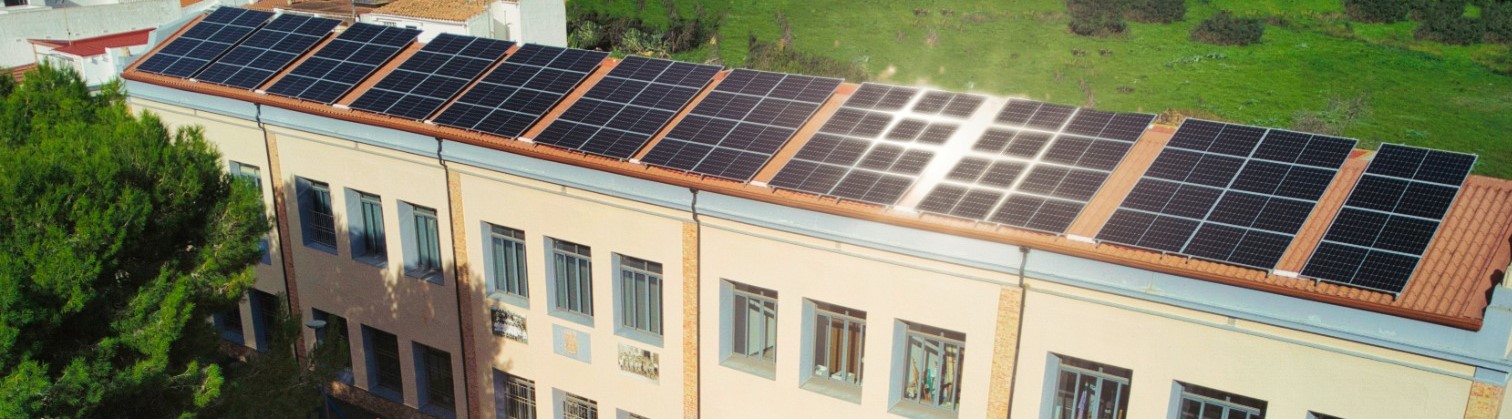
Development and implementation of local energy communities, energy efficiency plans for municipal buildings, property tax (IBI) and construction tax (ICIO) bonuses for installing renewable energy systems, development of parks and green zones, and the renewal of the drinking water and sanitation network.
PARTNERSHIPS: Have other institutions been involved in achieving the set objectives?
No.
RESULTS/MEASUREMENT: Have the project results been measured based on local indicators?
Results have been measured by the number of projects executed.
TRIPLE BOTTOM LINE: Is the project sustainable from an environmental, economic, and social perspective?
The SECAP objectives are linked to fulfilling this triple impact (economic, social, and environmental).
OBSTACLES: What have been the main obstacles encountered in all phases of the project?
Delays caused by all the necessary procedures and the difficulty in data collection.
CONCLUSION: Project impact and utility.
With this Sustainable Energy and Climate Action Plan (SECAP), Alcalá de Xivert – Alcossebre reaffirms its environmental commitment and its fight against climate change, establishing the foundations to move towards a more sustainable city model, prioritizing the use of renewable energy sources and advancing towards the decarbonization of the municipality.
Information section
FURTHER INFORMATION
SECAP attached:
View more cases
Local Entity name: Alcalá de Xivert - Alcossebre Town Council
Province: Castellón
Autonomous Community: Valencian Community
Number of inhabitants: 5,000 to 10,000 inhabitants
Contact person: Carlos Cherta. Municipal Industrial Engineer
Contact phone: 964 410 301
Email: carlos.cherta@alcaladexivert.es
SDGs involved: